
An OEM or private-label inquiry needs more than a logo. Buyers should define the attachment and target excavator, supply fitment and hydraulic data, explain the application, provide quantity and branding files, and identify document, packing and destination requirements. Availability must be confirmed for the selected product, quantity and production method. Production should not be approved until final technical and commercial details have been verified.
What OEM and Private Label Mean for Excavator Attachments
In attachment purchasing, OEM can describe a supplier producing an attachment or configuration against an agreed buyer requirement. Private label usually focuses on buyer-facing brand elements such as a logo, color reference, model name or nameplate. ODM is often used for a supplier-based product that receives agreed changes, but terminology varies between companies.
These labels do not prove that a requested change is feasible. The exact product basis, design responsibility, approved drawings, branding scope, testing evidence, documentation and commercial terms must be defined project by project. For verified company context, see About KRATOR ATTACHMENTS; this guide remains focused on buyer preparation rather than company history.
OEM, ODM and Standard-Product Purchasing Comparison
| Cooperation type | Product basis | Branding level | Technical changes | Typical buyer | Information required | Main limitation |
|---|---|---|---|---|---|---|
| Standard product | Existing reviewed configuration | Standard supplier identity | Normally limited to model matching | Contractor, fleet or reseller | Carrier, application, quantity and destination | Does not imply buyer-specific branding or configuration |
| Logo / private-label product | Existing product subject to review | Buyer logo or label may be considered | Usually limited unless separately approved | Dealer, importer or equipment brand | Vector logo, placement, naming, quantity and files | Availability must be confirmed by product and production method |
| Color and appearance customization | Existing product subject to finish review | Color and visual identity may be considered | Appearance-focused, not automatically structural | Rental fleet, dealer or regional distributor | Color reference, logo, nameplate and appearance approval | Paint specification and finish capability are [BUSINESS INPUT REQUIRED] |
| Technical configuration customization | Existing platform with an agreed configuration | May be combined with approved branding | Mounting, hydraulic or application details may be reviewed | Distributor, fleet or service company | Complete carrier, dimensions, hydraulics and application data | Every change requires technical and commercial confirmation |
| New attachment development only where verified | New or substantially changed concept | Defined in the project agreement | May involve new design and validation scope | Equipment brand or specialist distributor | Functional brief, interfaces, loads, application, evidence and approvals | KRATOR availability, responsibility, validation and IP terms are [BUSINESS INPUT REQUIRED] |
Products That May Be Considered for OEM Cooperation
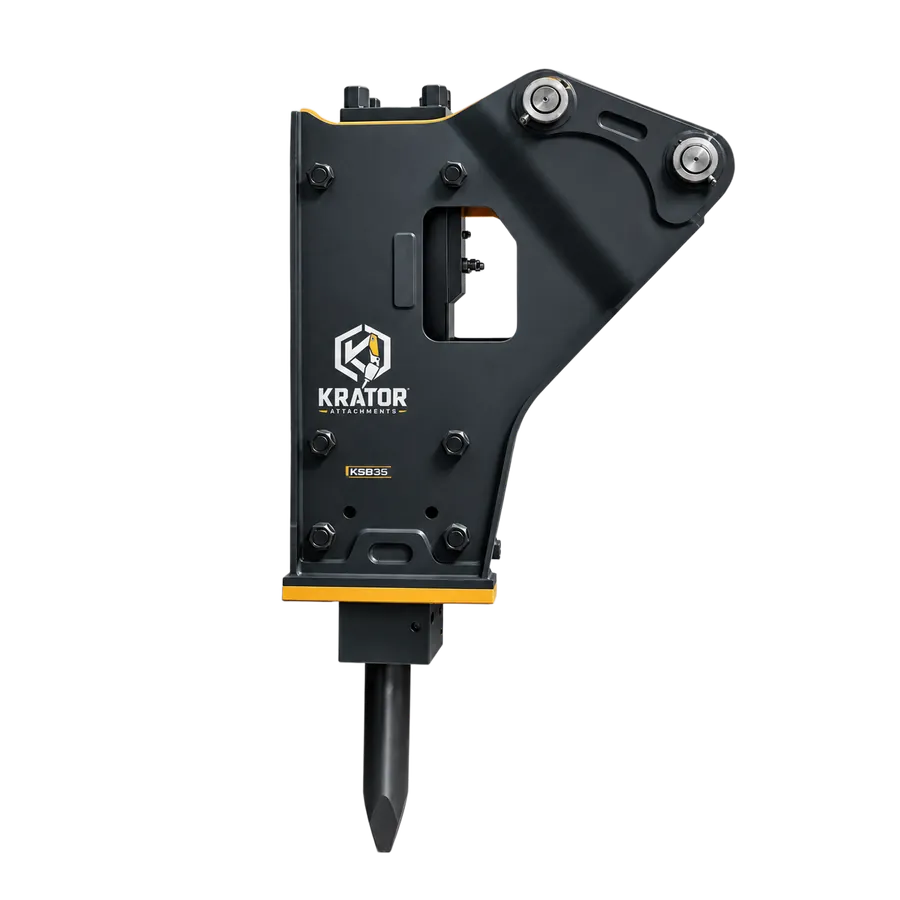
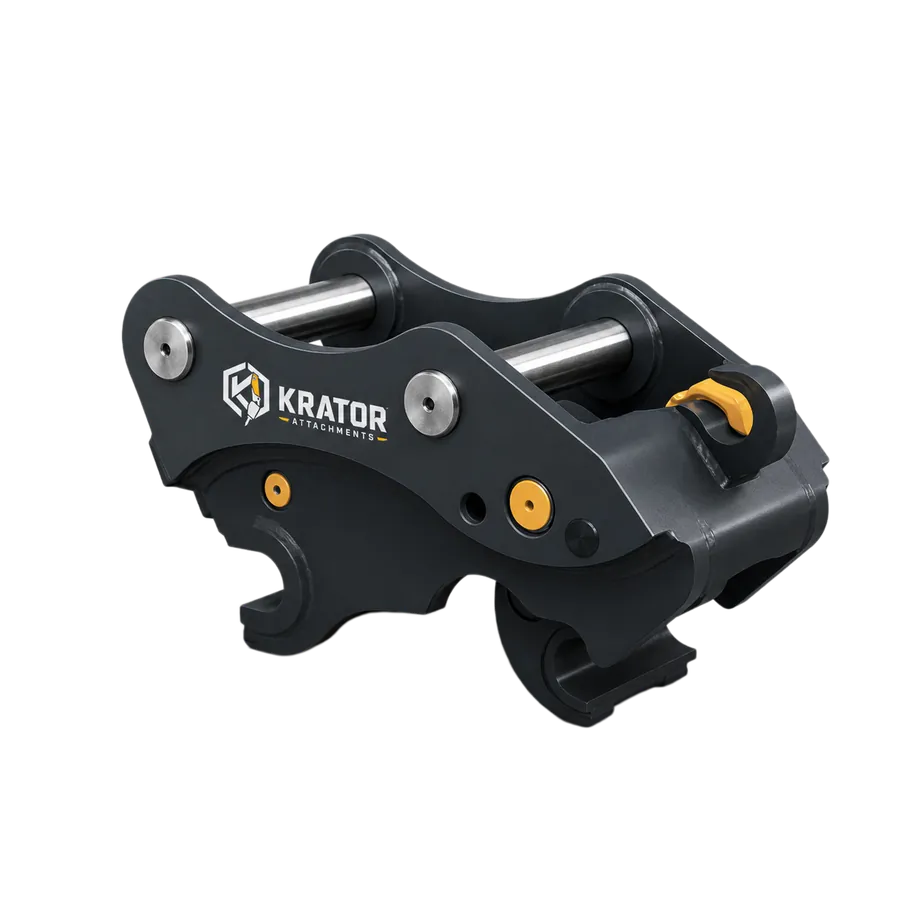
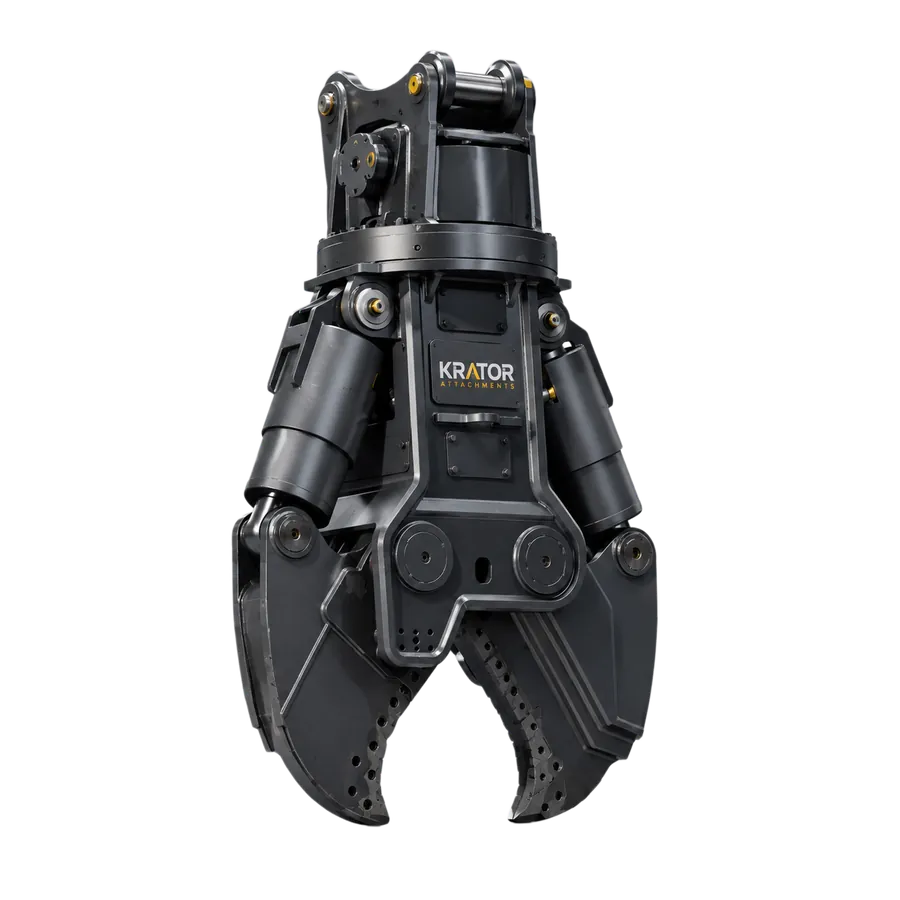
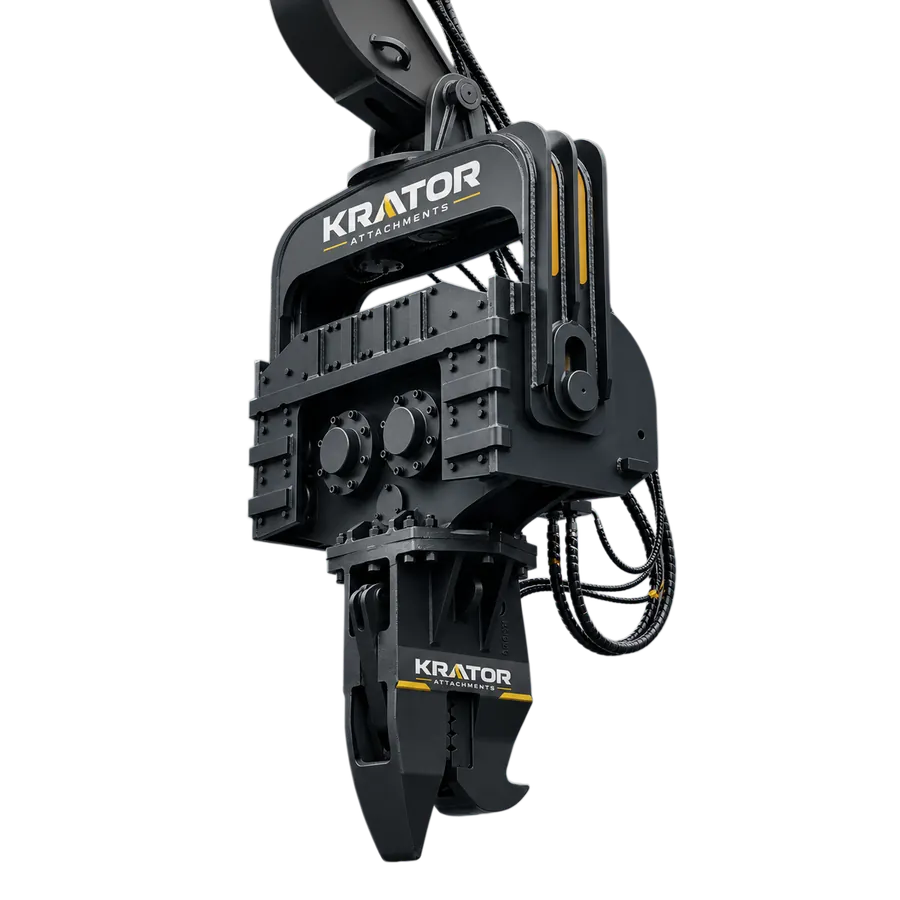
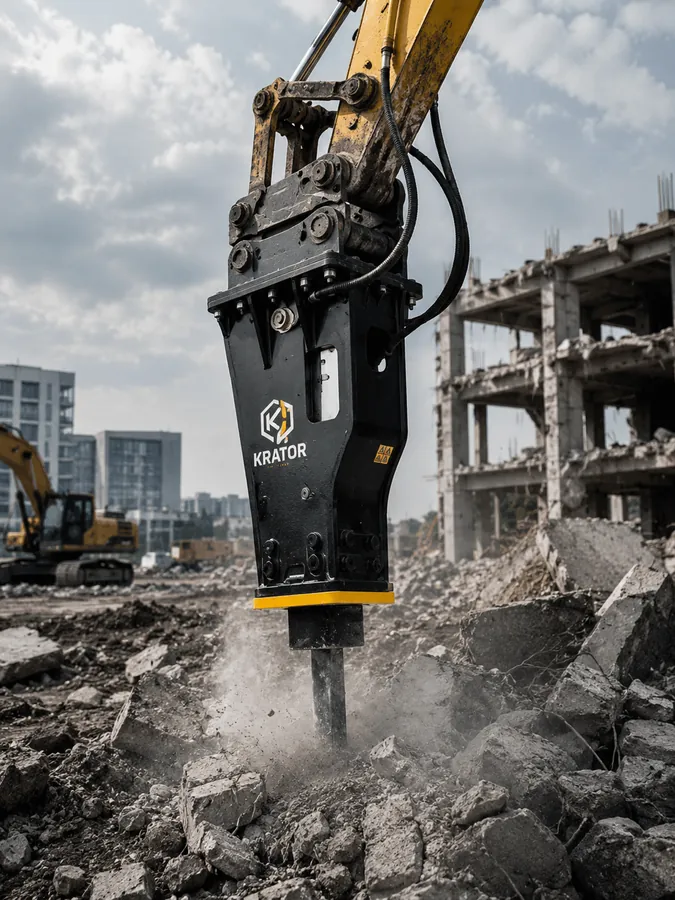
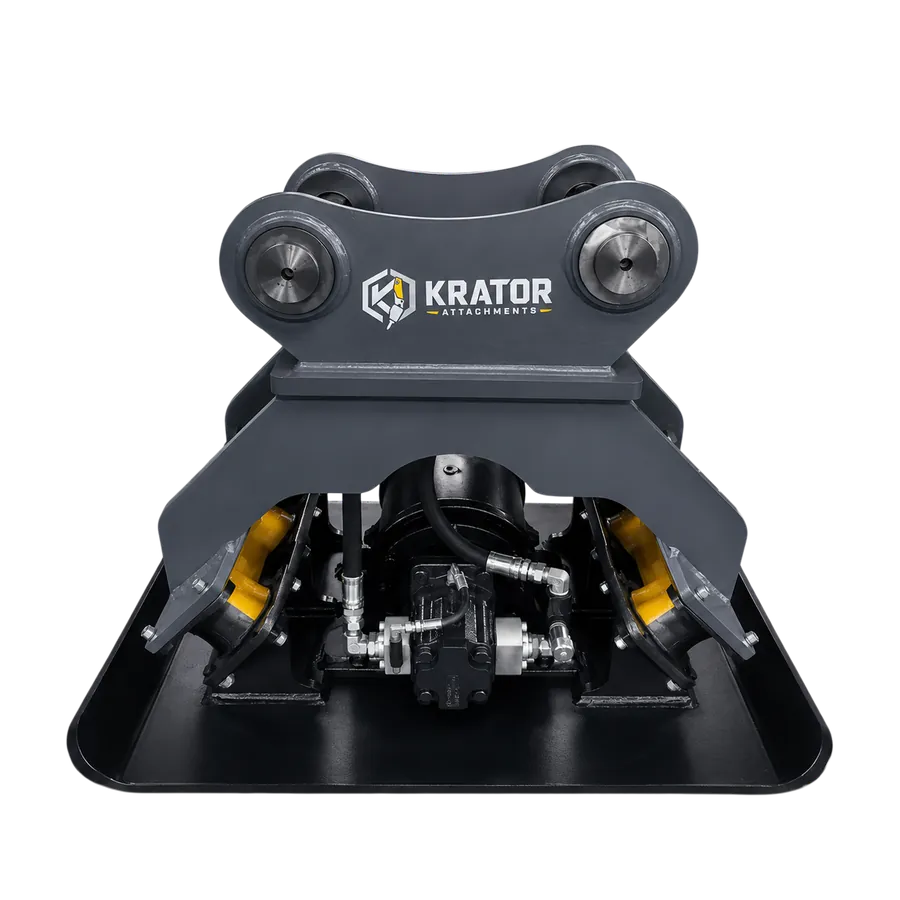
Buyers may begin with the excavator attachment product range and identify a category before discussing branding. Relevant categories can include a hydraulic breaker, quick coupler, vibratory pile hammer, hydraulic shear or a project considered through the custom attachments page. A category link confirms only that the product page exists; it does not confirm private-label availability for every model, quantity or request.
A 15-Step OEM Buyer Workflow
- Select the attachment category.
- Provide the excavator brand and model.
- Provide the carrier operating weight.
- Confirm pin diameter, center distance and dipper width where required.
- Confirm hydraulic flow and pressure for hydraulic attachments.
- Provide the expected application.
- Provide the quantity.
- Provide the branding files.
- Confirm the color reference.
- Confirm the nameplate requirements.
- Confirm the manual and document language.
- Confirm the packaging requirements.
- Confirm the destination country and port.
- Review the technical confirmation documents.
- Approve production only after final verification.
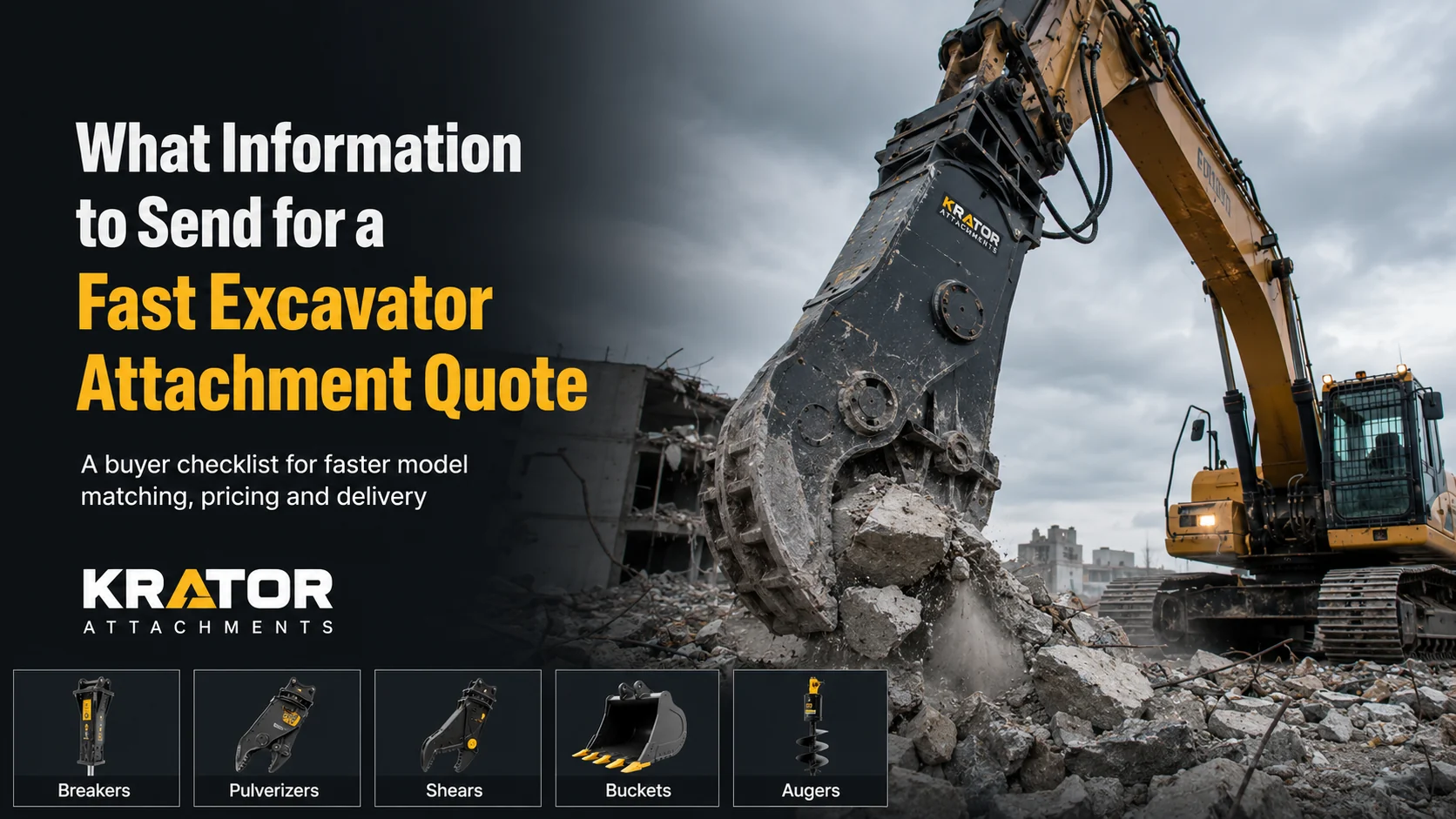
Step 1: Define the Attachment and Target Excavator
Name the attachment category, intended material, task, duty pattern, carrier model and operating weight. If several carrier models are involved, list each separately. Do not assume one bracket or hydraulic setup fits every excavator in a weight class.
Step 2: Confirm Technical Matching Information
For mechanical attachments, prepare the excavator model, operating weight, pin diameter, pin-center distance, dipper or arm width, coupler type, required working width or capacity, and application. For hydraulic attachments, also provide auxiliary hydraulic flow, operating pressure, return-line requirements, hose and fitting standards, electrical requirements where applicable, and a rotation circuit where applicable.
When the project includes quick couplers, use the quick coupler measurement guide to prepare the excavator-side and attachment-side fitment data before drawing confirmation.
The hydraulic flow and pressure guide explains why carrier data must be checked against the exact attachment configuration. There are no universal dimensions or hydraulic settings for OEM projects.
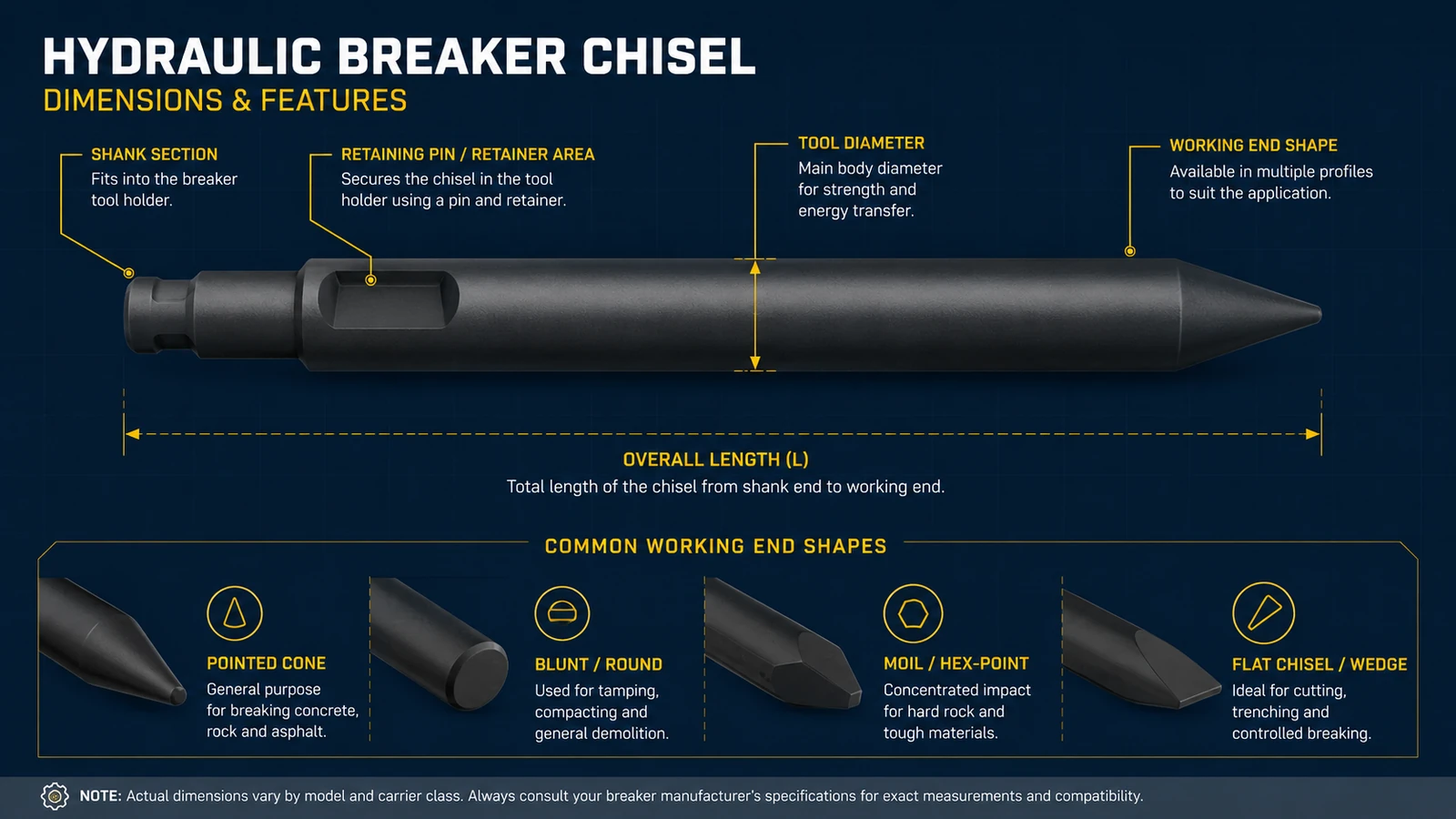
Step 3: Confirm Branding Requirements
Prepare a vector logo file, exact brand-name spelling, proposed logo position, preferred color reference, nameplate information, product model naming, packaging marks, manual language, and barcode or label requirements where applicable. Availability must be confirmed for the selected product, quantity and production method.
Step 4: Confirm Color and Appearance Requirements
Use a traceable color reference and show which surfaces should carry that color. Confirm whether visible fasteners, hoses, wear surfaces and safety markings are excluded. Exact paint systems, preparation requirements, gloss, layer thickness and acceptance standards are [BUSINESS INPUT REQUIRED].
Step 5: Confirm Nameplate and Documentation Requirements
State the legal brand name, model naming, serial-number format request, technical fields, language and regulatory information the buyer expects. The supplier must confirm what can appear on the nameplate and in manuals. Do not place unverified certification marks or unsupported technical claims in artwork.
Step 6: Confirm Packaging and Shipping Requirements
Provide destination country and port, handling constraints, packaging marks, label or barcode requirements, mixed-model request, document language and any consignee instructions. Available packaging methods, container planning, consolidation, delivery time and shipping documents are [BUSINESS INPUT REQUIRED] until confirmed for the order.
Step 7: Technical Review and Drawing Confirmation
Review the attachment model, carrier interface, dimensions, hydraulic connections, accessories, rotation or electrical requirements and application assumptions in one controlled confirmation set. Mark revisions clearly. Do not approve production from an informal image or an earlier drawing when the final configuration has changed.
Step 8: Sample or Pre-Production Approval Where Applicable
A sample, first article, rendering, label proof, color sample, nameplate proof or pre-production photograph may be appropriate depending on project risk. Whether KRATOR offers any specific approval method, and the cost, time or acceptance criteria, are [BUSINESS INPUT REQUIRED].
OEM PROJECT REVIEW
Send your product and branding requirements
OEM feasibility depends on the attachment type, excavator data, quantity and requested branding. Share the basic information before confirming specifications or production arrangements.
Product
- Attachment type
- Excavator model
- Quantity
Branding
- Logo file
- Color reference
- Nameplate requirements
Delivery
- Destination country
- Destination port
- Required documents
Step 9: Production and Quality-Control Checkpoints
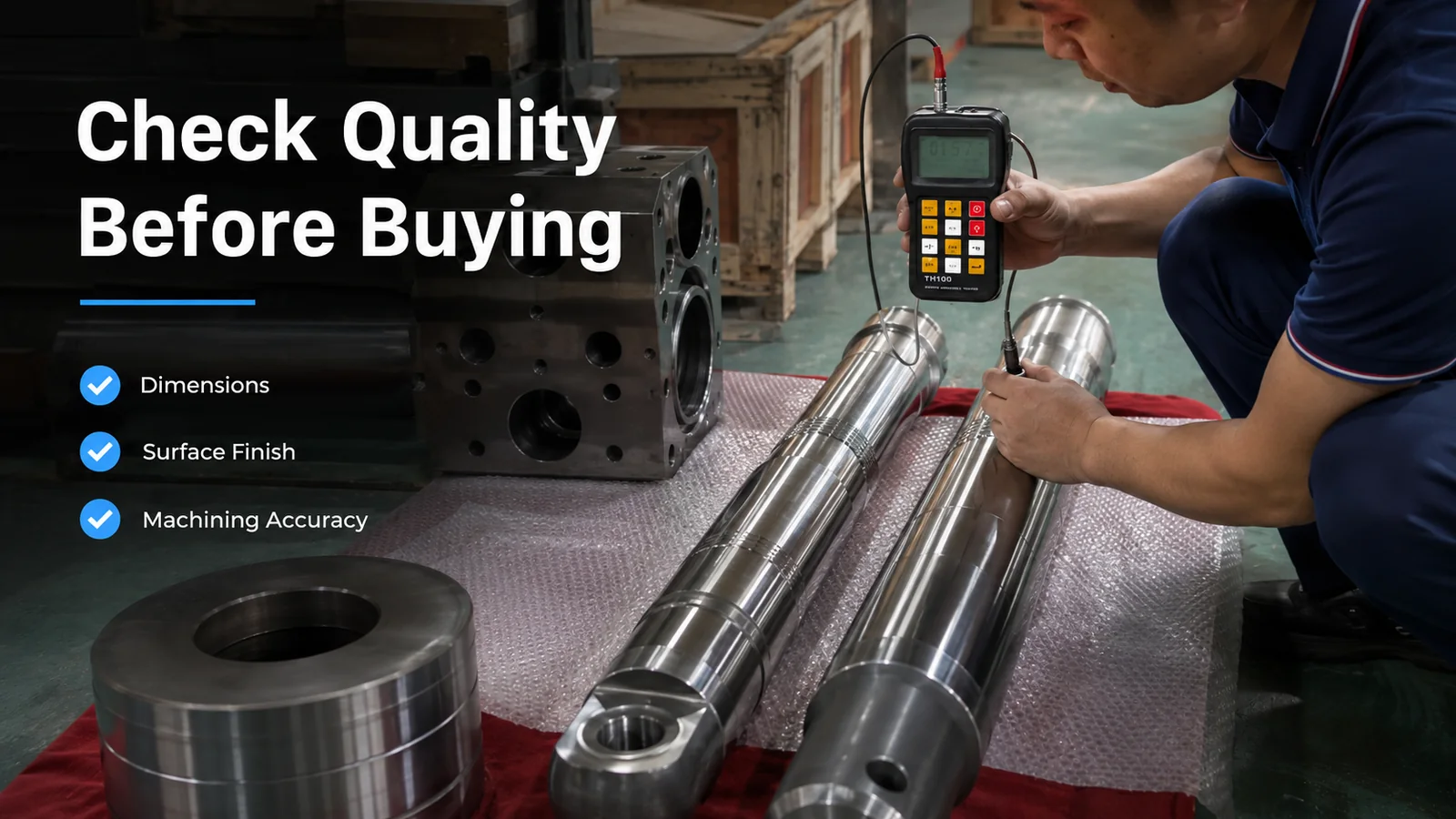
Generally applicable checkpoints may include incoming-material identification, dimensional inspection, welding inspection where applicable, machining inspection, hydraulic connection inspection, assembly inspection, surface preparation, paint and appearance inspection, nameplate and branding verification, functional testing where applicable, and packing verification.
These are a buyer review framework, not a claim that every product follows every checkpoint or test. The exact inspection plan, records, equipment, standards and acceptance criteria are [BUSINESS INPUT REQUIRED]. Review the repository-verified manufacturing and quality-control page for visible process context.
Step 10: Packing, Loading and Shipment Documents
Before release, reconcile model, quantity, accessories, nameplates, branding, labels, packaging marks and the approved document list. Buyers should request evidence appropriate to the order, but the available photos, packing records, loading evidence and shipment documents must be confirmed commercially.
Information Required for an OEM Quotation
- Buyer company, market role and contact details
- Attachment category, model preference and quantity
- Excavator brand, model and operating weight
- Pin and arm dimensions where required
- Hydraulic flow, pressure, return, hoses, fittings, electrical and rotation data where applicable
- Application, material, working width or capacity and site photos
- Vector logo, brand spelling, color, nameplate and product naming
- Manual language, packaging marks, barcode or label requirements
- Destination country, port and required documents
Use the fast attachment quotation checklist to organize core machine and delivery data before adding OEM-specific files.
Common OEM Purchasing Mistakes
- Starting with logo artwork before choosing a technically suitable attachment.
- Using excavator tonnage alone and omitting pin dimensions or hydraulic data.
- Sending a raster screenshot when production artwork requires a controlled vector file.
- Leaving color, nameplate, manual or packaging requirements until after production approval.
- Assuming private labeling is available for every product and quantity.
- Approving an outdated drawing or incomplete configuration.
- Failing to define who reviews spelling, model names, labels and required documents.
- Assuming delivery time, MOQ, warranty or exclusivity without written confirmation.
What Distributors Should Verify Before Placing an Order
Verify the final product configuration, carrier fit, hydraulic interfaces, accessories and spares; branding files and proofs; nameplate and manual content; inspection and approval evidence; packing and label requirements; quantity and destination documents; and all commercial terms. Keep approved revisions in one project record and identify who has authority to release production.
Dealer Technical-Support Requirements
Excavator attachment dealers, importers, rental fleets, equipment brands, regional distributors, and repair or service companies may need different support. Typical requests can include multiple attachment categories, mixed model orders, model-based technical data, spare-parts planning, sales materials, manuals, consolidated shipping and recurring orders. Each item remains subject to availability and project review; this guide does not promise exclusivity, territory protection, stock programs or distributor discounts.
Intellectual Property and Brand-File Preparation
Provide only brand files the buyer is authorized to use. Name files clearly, record the approved version, and define the review contact for spelling, logo placement, color, nameplate, manual and packaging marks. Ownership, licensing, confidentiality, tooling, drawing reuse and other intellectual-property terms are [BUSINESS INPUT REQUIRED] and should be handled in project documents rather than inferred from this guide.