
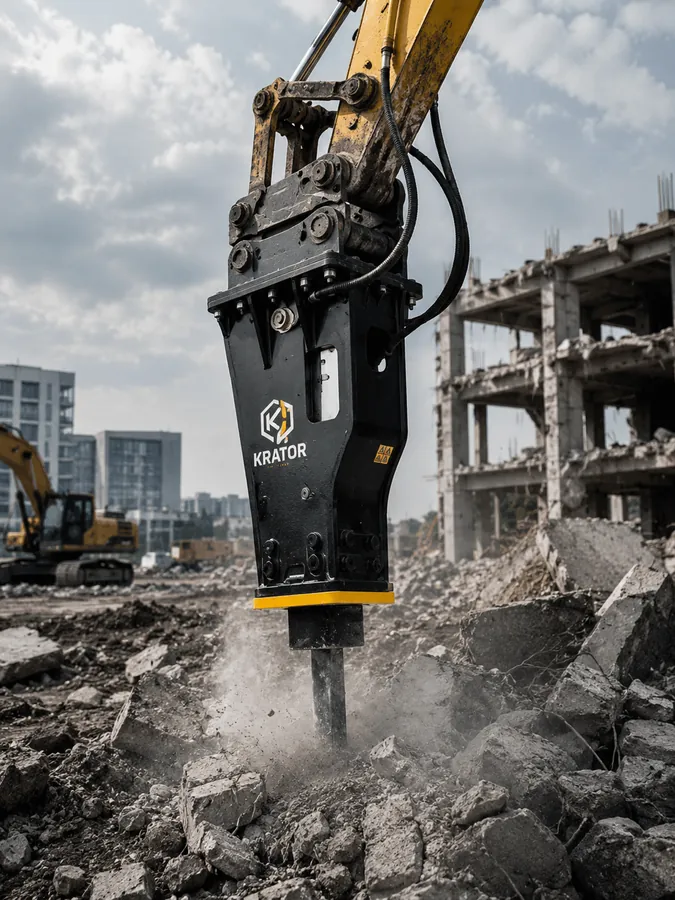
The right hydraulic breaker should be selected according to excavator operating weight, oil flow, operating pressure, chisel diameter and working condition. Do not choose only by breaker weight.
Key Selection Factors
Match the breaker series with the excavator operating weight range.
Check that the excavator auxiliary circuit can supply the required flow.
Pressure must stay inside the breaker working range for stable impact.
Larger rods suit heavier carriers and harder rock or concrete.
Side, box and top type housings fit different visibility and noise needs.
Rock breaking, trenching and demolition can require different impact classes.
How Carrier Weight Affects Breaker Choice
A breaker that is too heavy can overload the excavator front structure, while a breaker that is too small may not deliver enough impact energy. Start with excavator operating weight, then check the recommended carrier range for each model.
Why Oil Flow and Pressure Matter
Hydraulic breakers depend on stable oil flow and operating pressure. If flow is too low, impact rate drops. If pressure is outside the recommended range, seals, hoses and internal components can wear faster.
Choosing Side, Box or Top Type Housing
Box type breakers reduce noise and protect the main body. Side type breakers are easy to service. Top type breakers offer good visibility and positioning for general construction work.
Hydraulic Breaker Matching Table
| Item | What to Check | Why It Matters |
|---|---|---|
| 1-6 ton | Small breaker | Utility, landscaping, light concrete |
| 7-15 ton | Medium breaker | Road repair, trenching, building renovation |
| 16-30 ton | Heavy breaker | Rock breaking, quarry, foundation work |
| 31-90 ton | Extra heavy breaker | Mining, large demolition, hard rock |
Common Mistakes
- Selecting only by breaker weight and ignoring hydraulic flow.
- Forgetting to confirm bracket, pin diameter and arm width.
- Using a light breaker for hard quarry rock or reinforced concrete.
- Skipping spare chisel and seal kit planning for overseas projects.
What Information to Send for Quote
- Excavator brand and model
- Operating weight
- Hydraulic flow and pressure
- Working material and photos
- Preferred breaker housing type
- Quantity and destination port
Related Products for This Guide
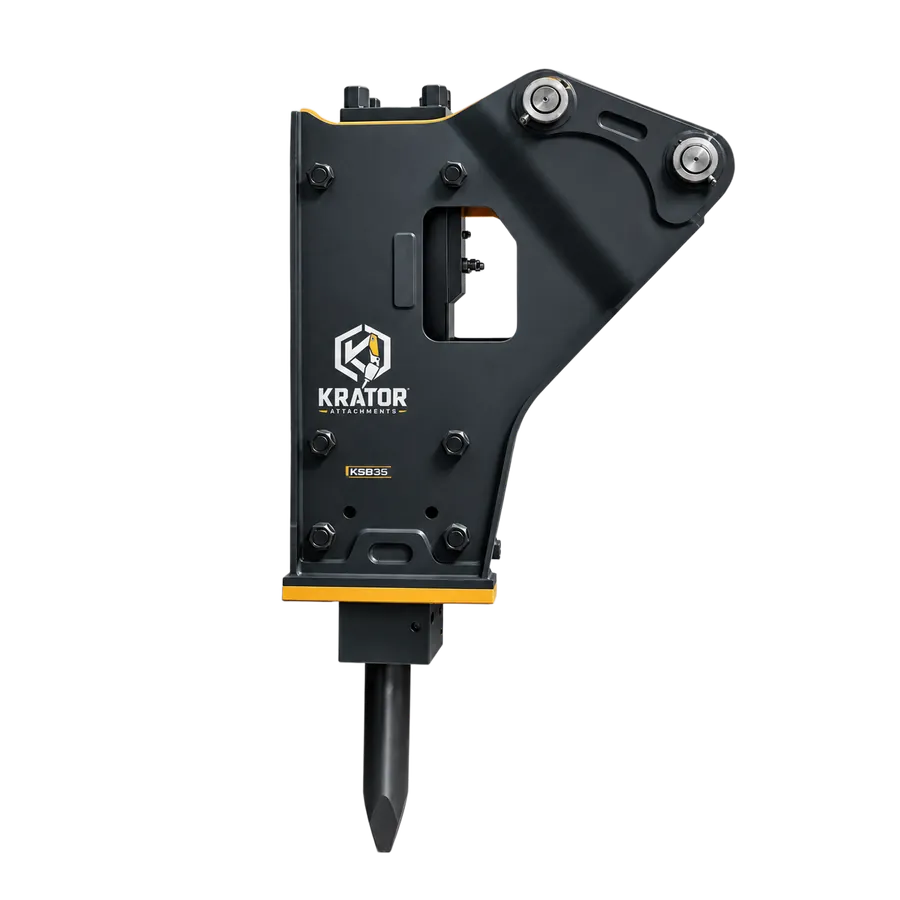
Hydraulic Breaker support for KRATOR model-matched excavator attachment projects.
View Product ->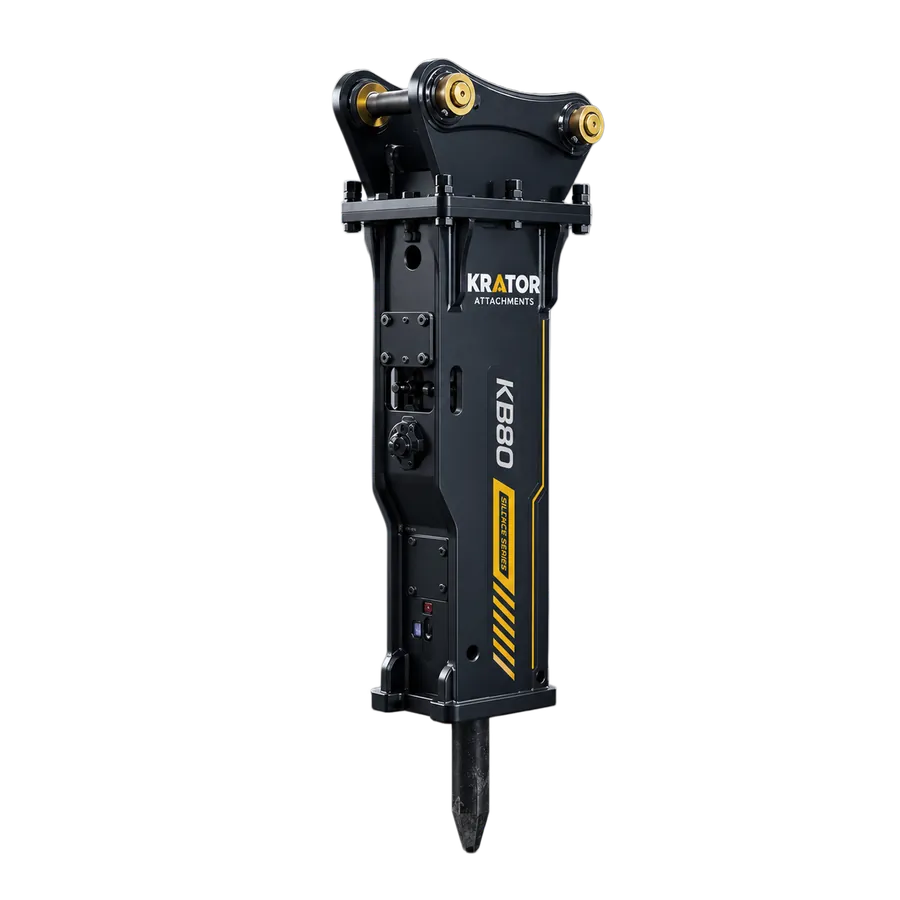
Box Type Hydraulic Breaker support for KRATOR model-matched excavator attachment projects.
View Product ->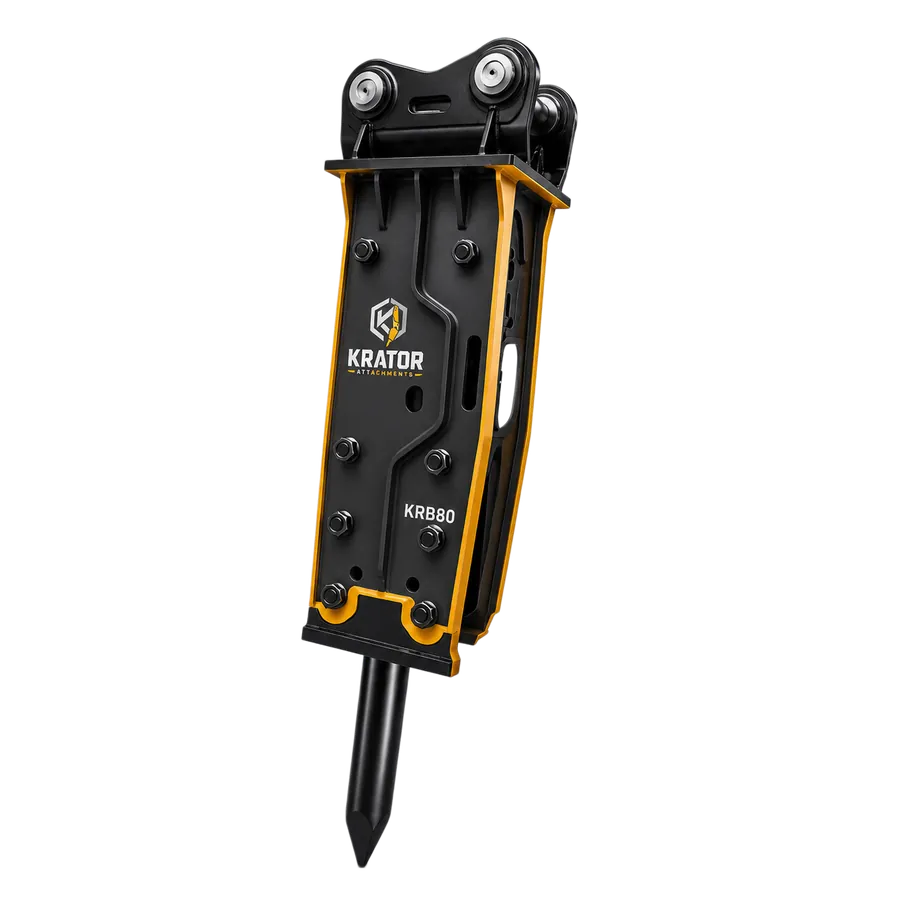
Top Type Hydraulic Breaker support for KRATOR model-matched excavator attachment projects.
View Product ->