
Before buying a hydraulic attachment, confirm auxiliary oil flow, operating pressure, line size and return line requirements. Incorrect hydraulic matching can cause weak performance or overheating.
Hydraulic Matching Factors
Controls cycle speed, impact rate or rotation speed.
Affects force, cutting power and compaction output.
Some tools require low back pressure return lines.
Incorrect hose size can restrict flow and create heat.
Breaker, shear, auger and compactor require different ranges.
Older machines may need hydraulic system inspection.
Why Oil flow Matters
Controls cycle speed, impact rate or rotation speed. This point should be confirmed before production so the attachment can be matched to the real carrier and jobsite.
How to Check Operating pressure
Affects force, cutting power and compaction output. Clear photos, machine information and simple notes make the matching process faster for overseas buyers.
Final Check Before Ordering
Confirm excavator model, operating weight, attachment configuration, hydraulic requirement, dimensions if available, quantity and destination before placing the order.
Hydraulic Data Checklist
| Item | What to Check | Why It Matters |
|---|---|---|
| Oil flow | Controls cycle speed, impact rate or rotation speed. | Core selection data |
| Operating pressure | Affects force, cutting power and compaction output. | Fitment confirmation |
| Return line | Some tools require low back pressure return lines. | Performance matching |
| Hose size | Incorrect hose size can restrict flow and create heat. | Jobsite suitability |
Common Mistakes
- Choosing by price or product name without checking excavator data.
- Not sending photos, dimensions or hydraulic information when they are needed.
- Ignoring jobsite material, working condition and duty cycle.
- Forgetting spare parts, bracket matching and shipping details.
What Information to Send for Quote
- Excavator brand and model
- Operating weight
- Attachment type
- Working condition
- Photos or drawings
- Quantity and destination
Related Products for This Guide
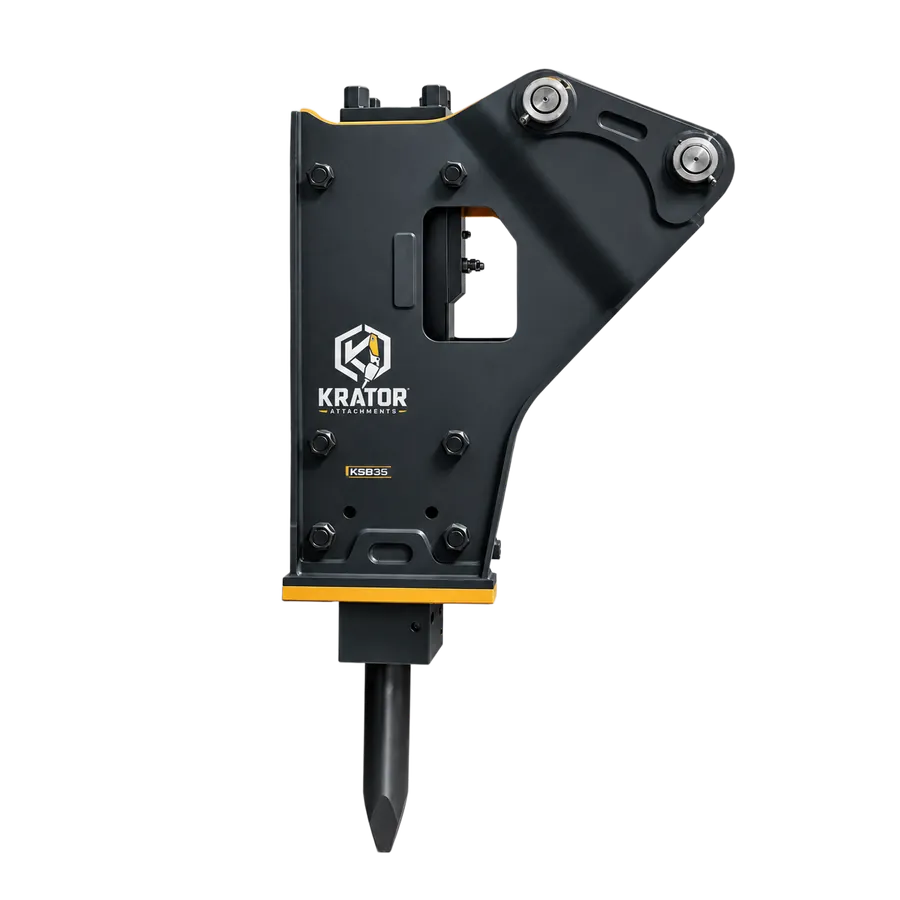
Hydraulic Breaker support for KRATOR model-matched excavator attachment projects.
View Product ->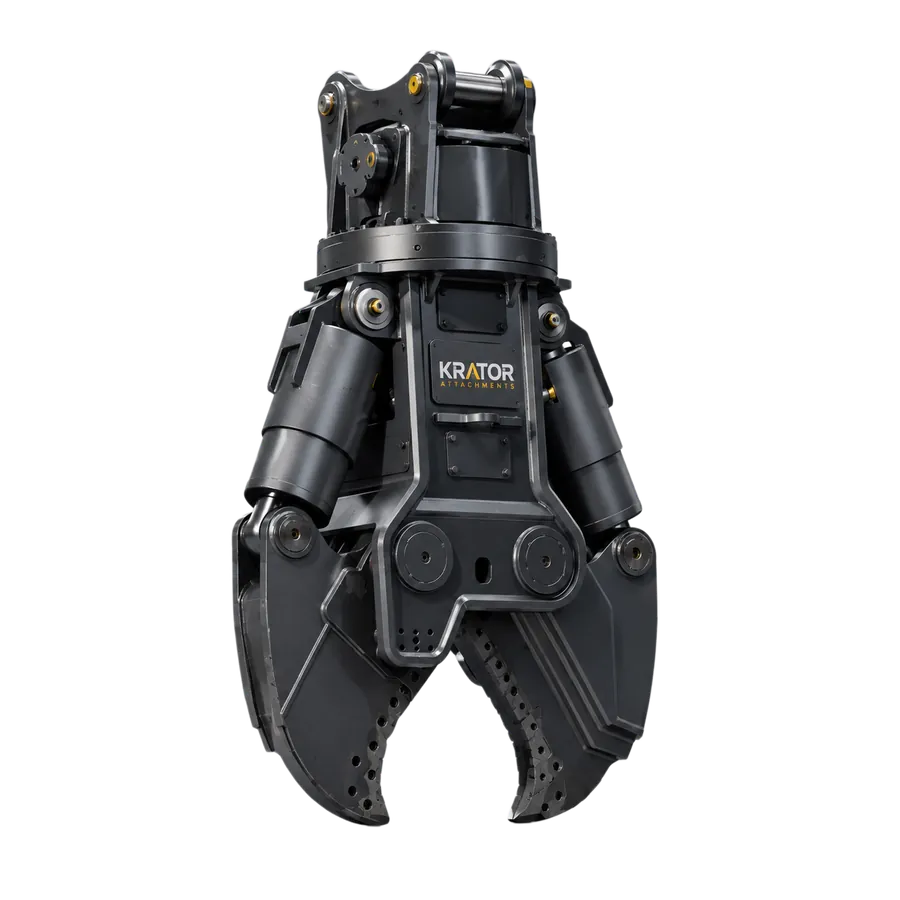
Hydraulic Shear support for KRATOR model-matched excavator attachment projects.
View Product ->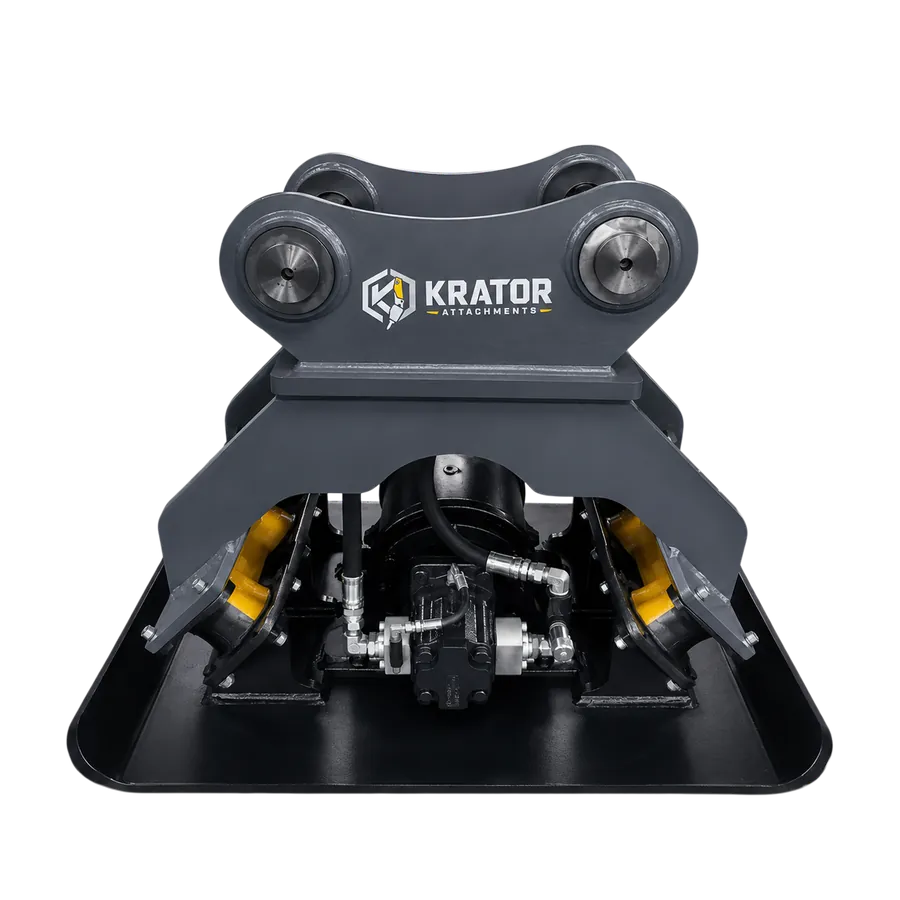
Hydraulic Compactor support for KRATOR model-matched excavator attachment projects.
View Product ->