
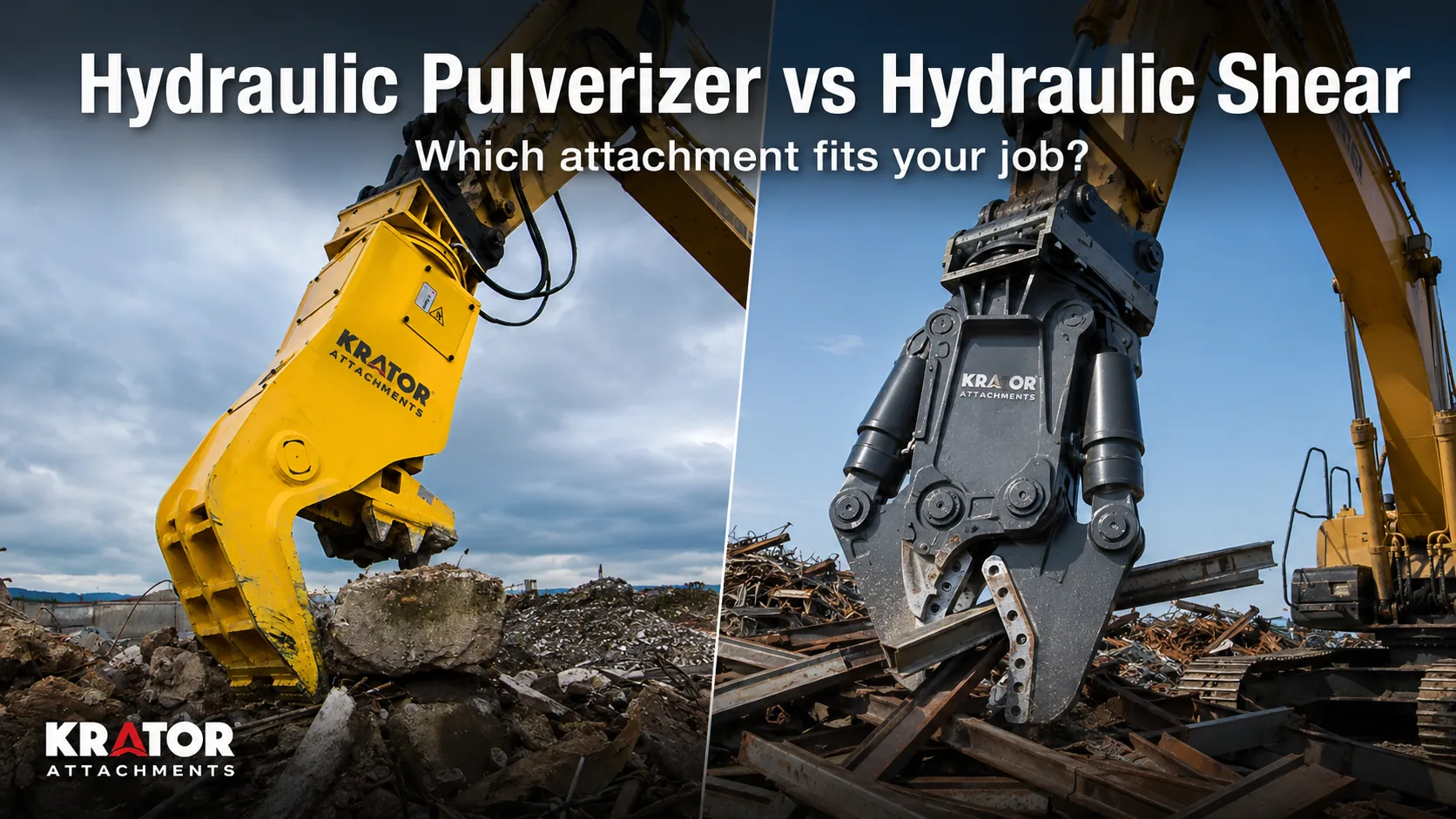
Choose a hydraulic pulverizer when the main work is concrete crushing, secondary demolition, rebar separation or concrete recycling. Choose a hydraulic shear when the main work is steel cutting, scrap recycling or industrial structure demolition. Both attachments may be used in one demolition project, but they solve different problems. Final selection should confirm excavator model, hydraulic flow, working pressure, material thickness, pin dimensions and whether rotation is required.
What Is a Hydraulic Pulverizer?
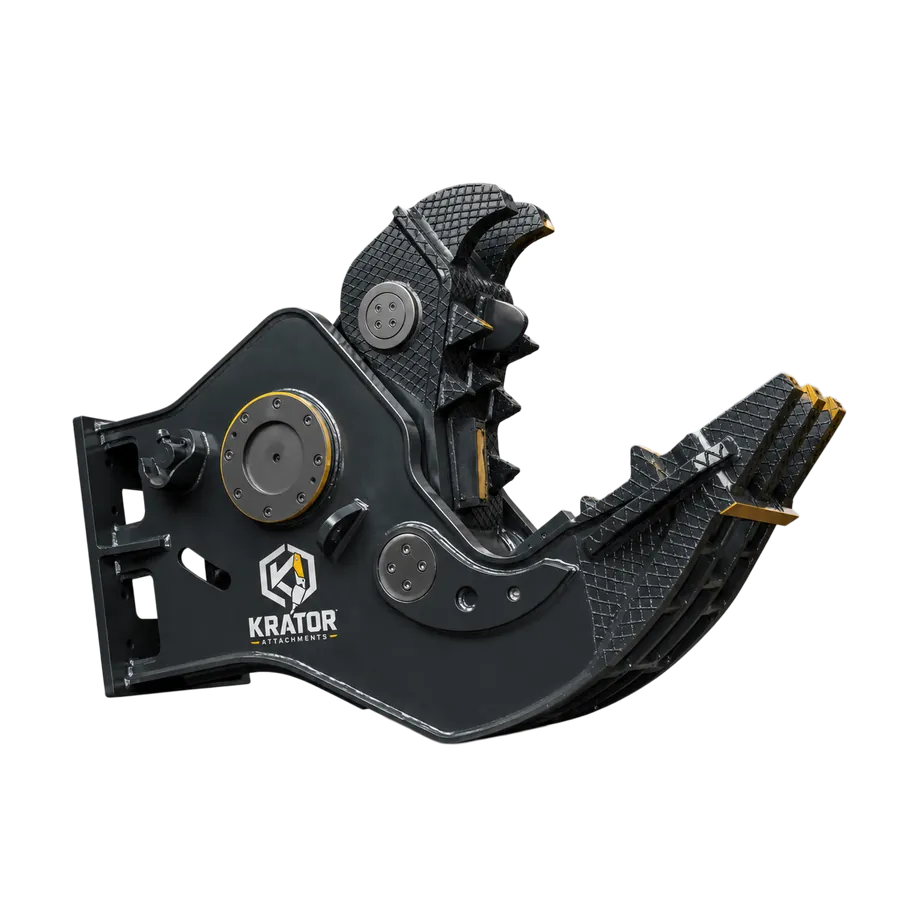
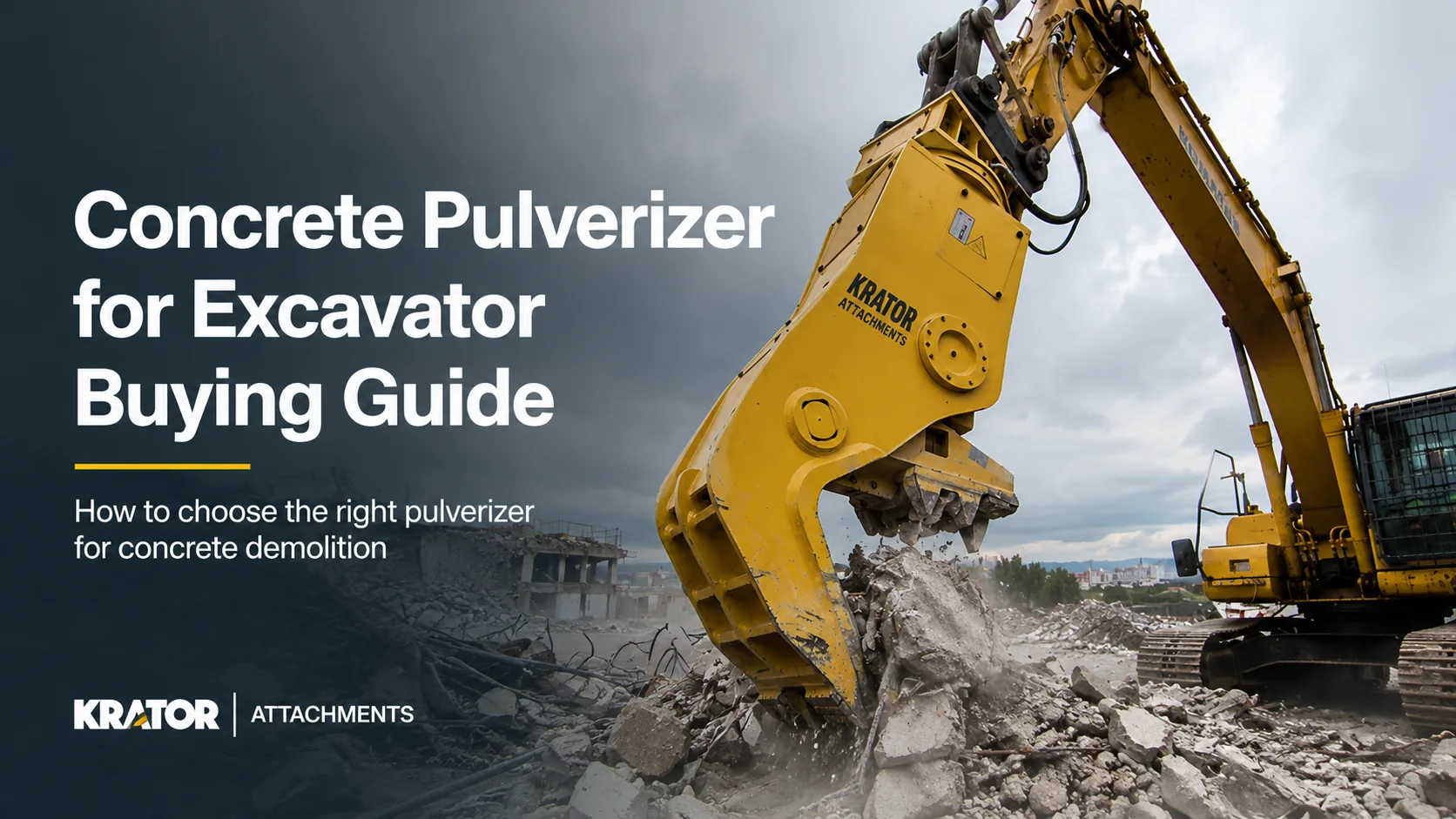
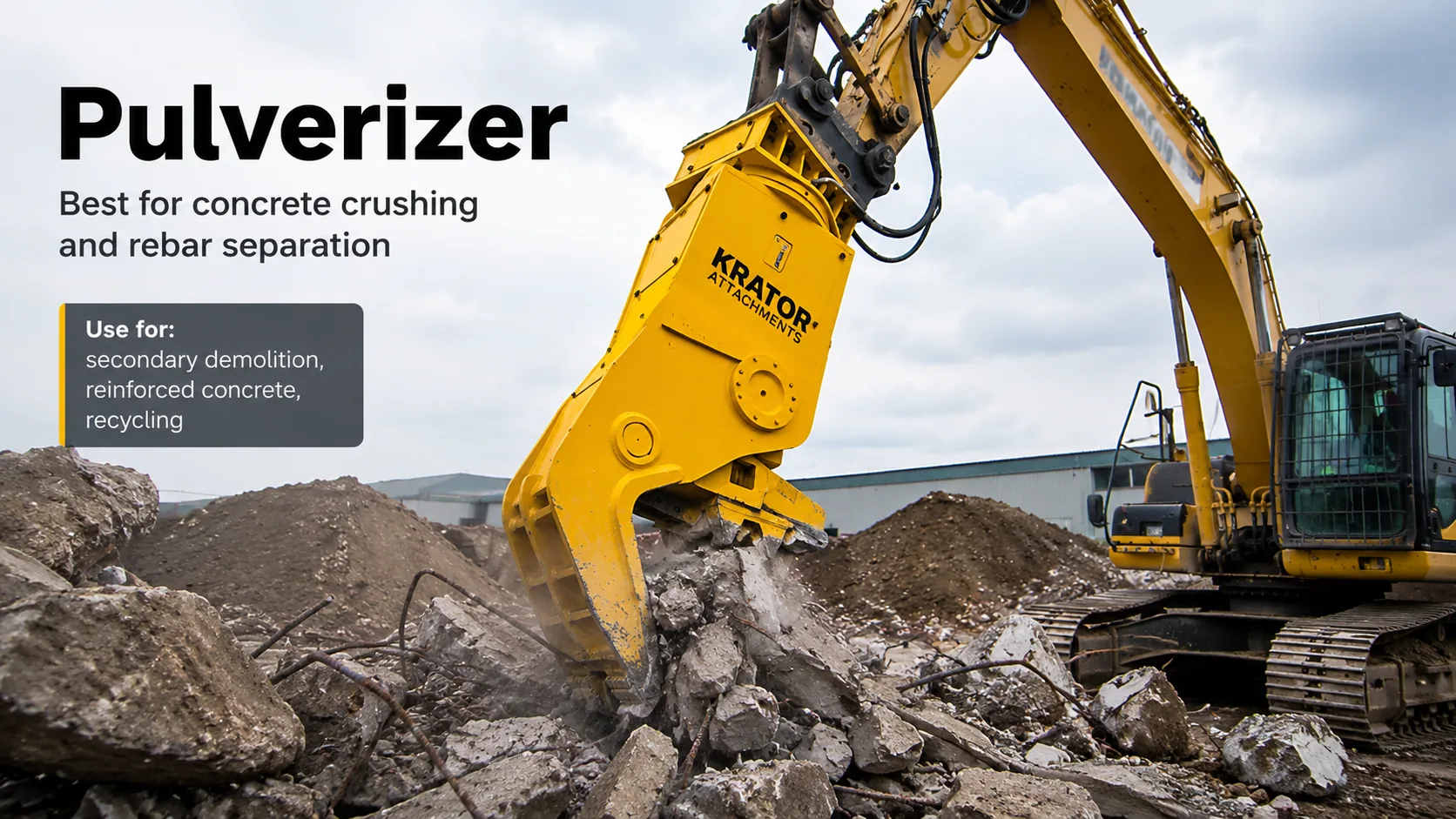
A hydraulic pulverizer is an excavator attachment used for concrete crushing, secondary demolition, rebar separation and concrete recycling. It has a jaw structure designed to crush reinforced concrete after primary demolition. Fixed models are simpler, while rotating models help position the jaw around columns, slabs and irregular concrete pieces.
What Is a Hydraulic Shear?
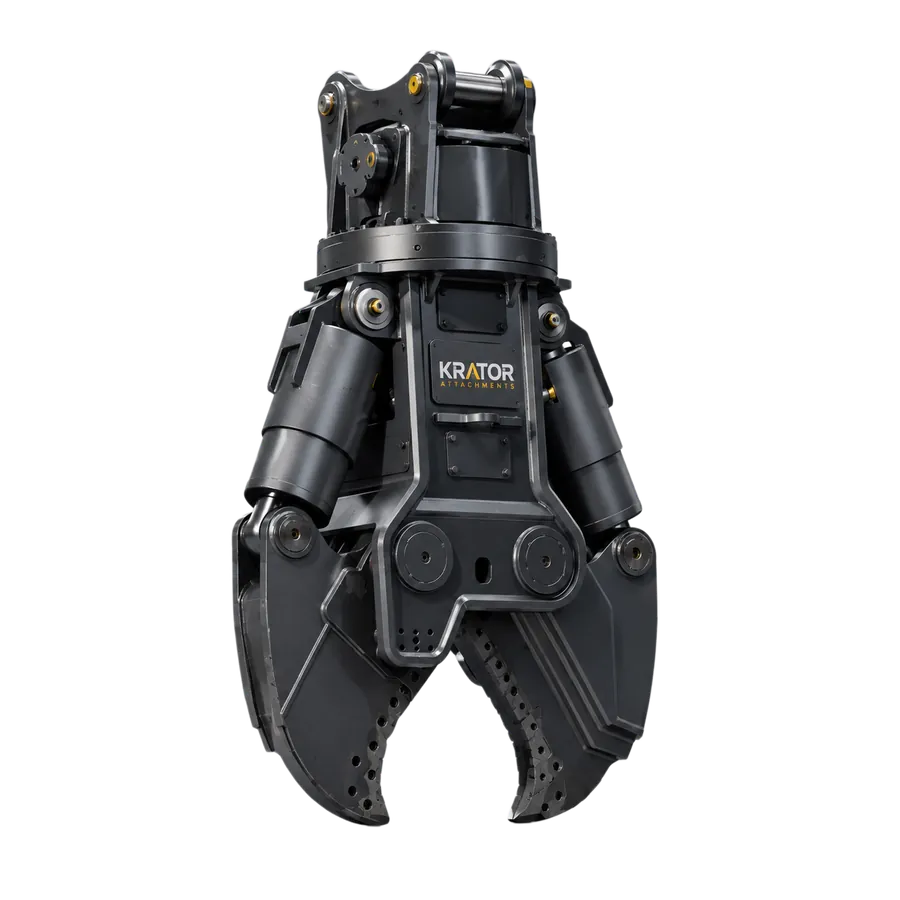
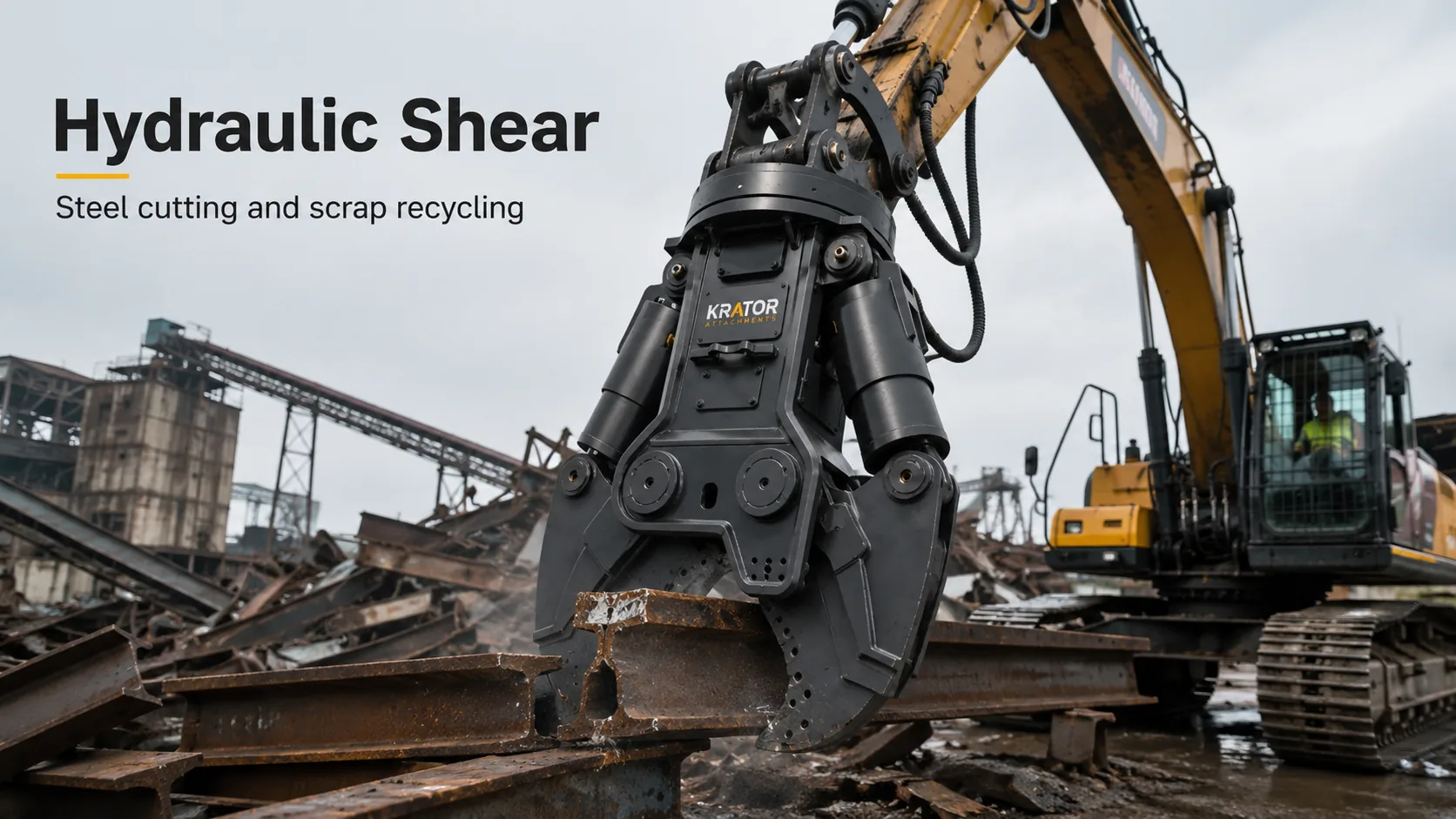
A hydraulic shear is designed for steel cutting, scrap recycling and industrial demolition. It uses cutting blades and high closing force to cut beams, pipes, tanks, plates and structural steel. It is different from a pulverizer because its main task is cutting metal, not crushing concrete.
Comparison Table
| Factor | Hydraulic Pulverizer | Hydraulic Shear |
|---|---|---|
| Main material | Concrete and reinforced concrete | Steel, scrap metal and industrial structures |
| Main function | Crushing and rebar separation | Cutting and dismantling steel |
| Jaw design | Crushing jaw with teeth or blade support | Cutting jaw with replaceable blades |
| Key force | Crushing force | Cutting force |
| Typical project | Secondary demolition and concrete recycling | Steel structure demolition and scrap recycling |
| Matching data | Concrete thickness, rebar and jaw opening | Steel type, material thickness and blade length |
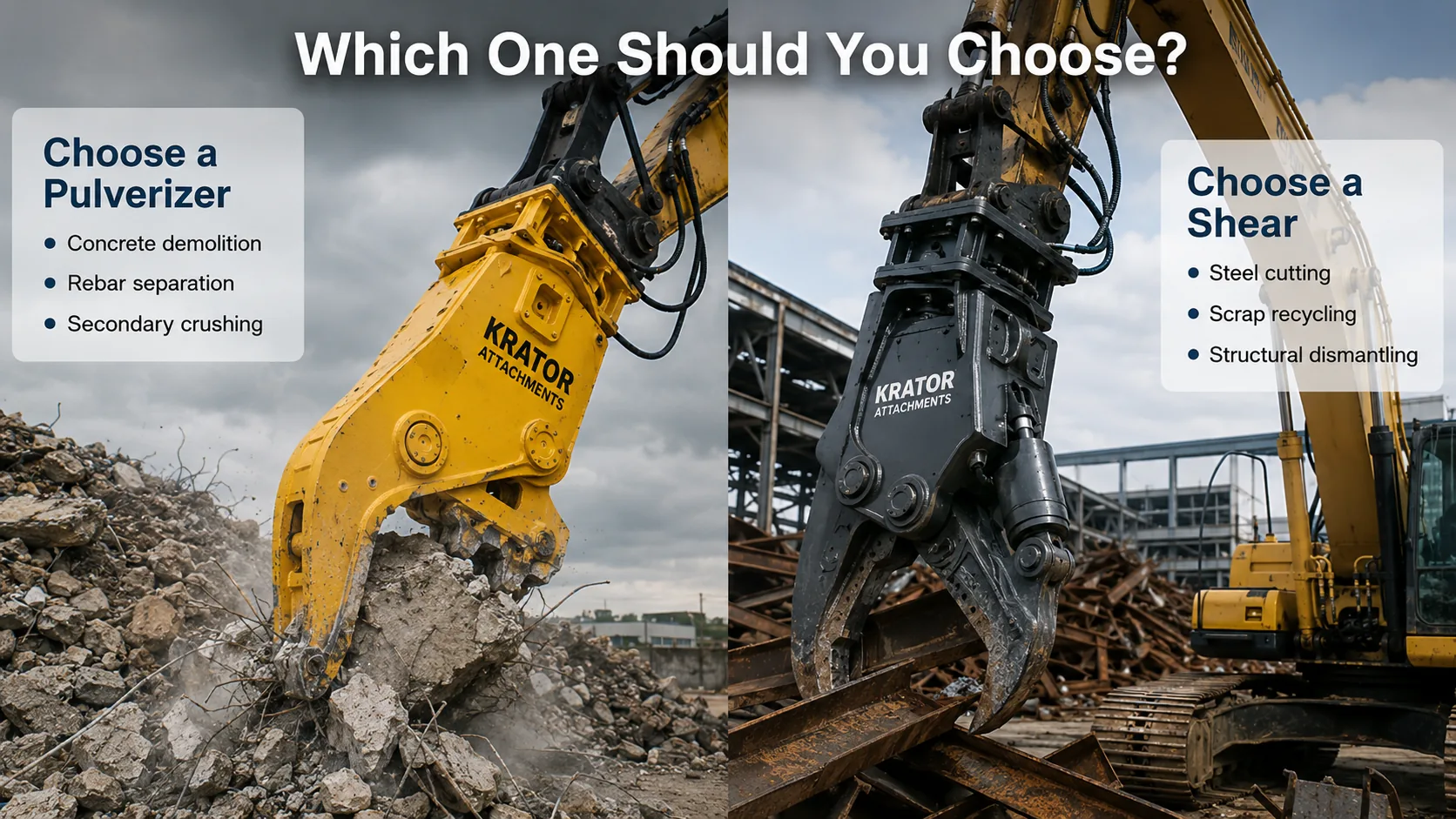
When to Choose a Pulverizer
Choose a pulverizer when the main job is concrete processing. It is suitable for secondary demolition, concrete recycling, foundation removal and rebar separation. If the concrete is thick, reinforced or difficult to position, jaw opening, crushing force and rotation become more important.
When to Choose a Shear
Choose a shear when steel is the main material. Industrial buildings, tanks, beams, scrap yards and steel structure demolition usually need cutting force and blade support rather than crushing teeth. Material thickness and steel type should be described before model matching.
Can Both Be Used in One Project?
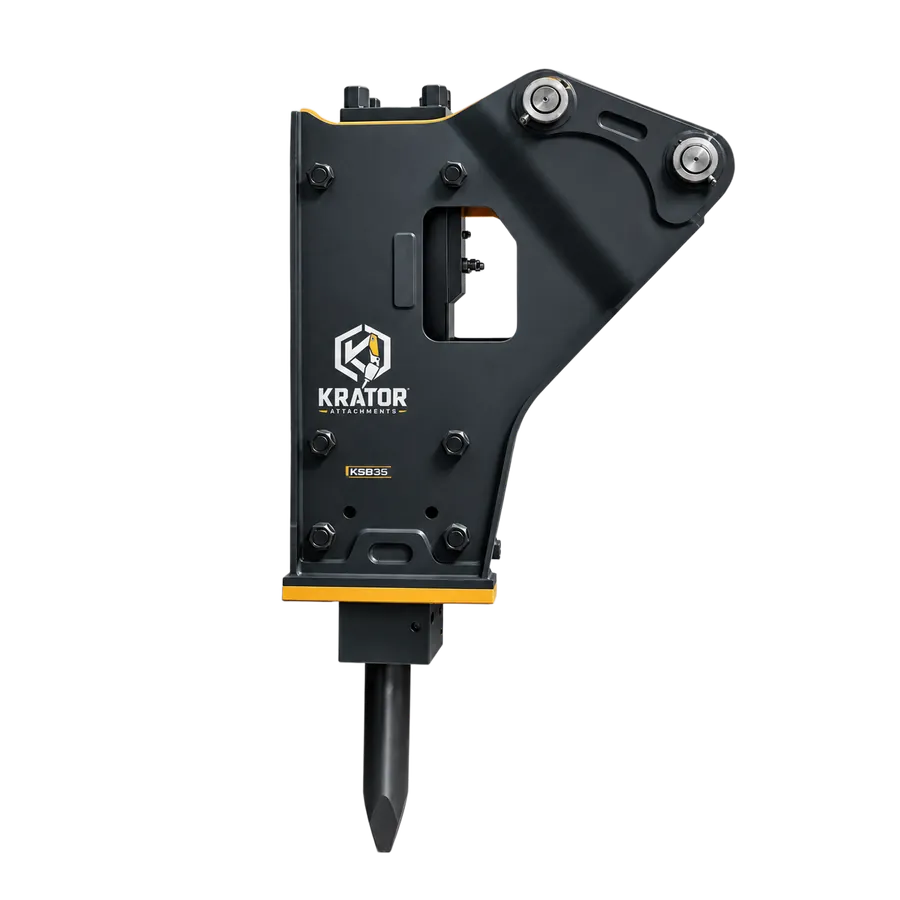
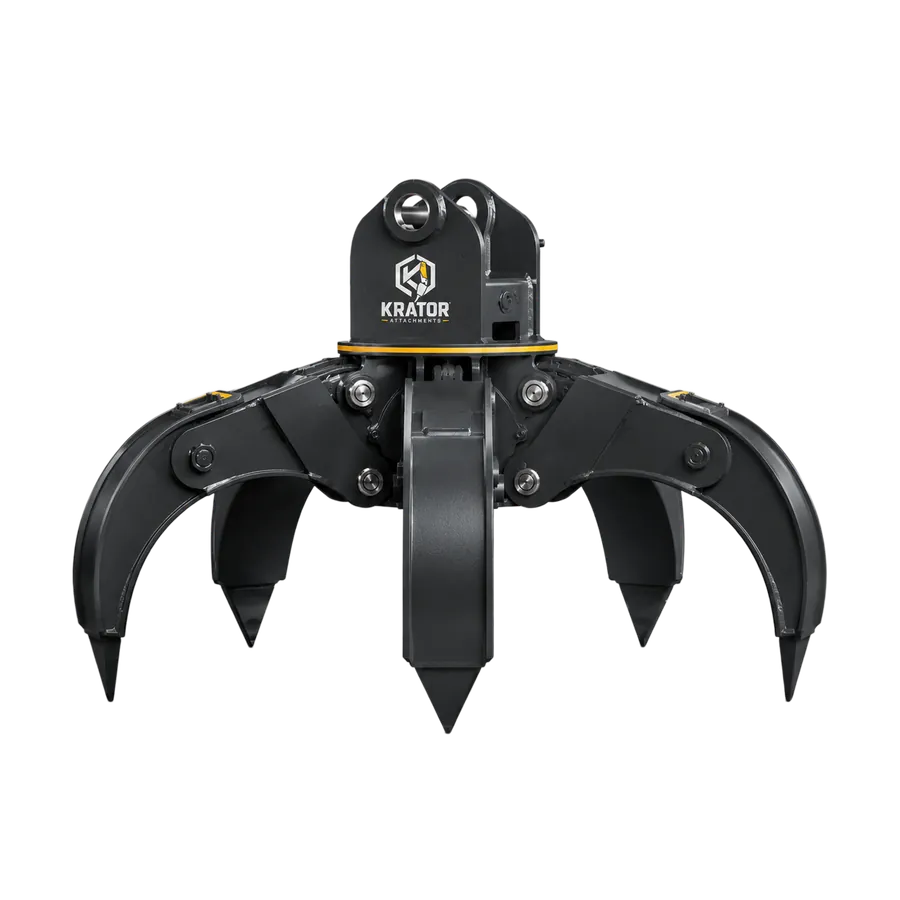
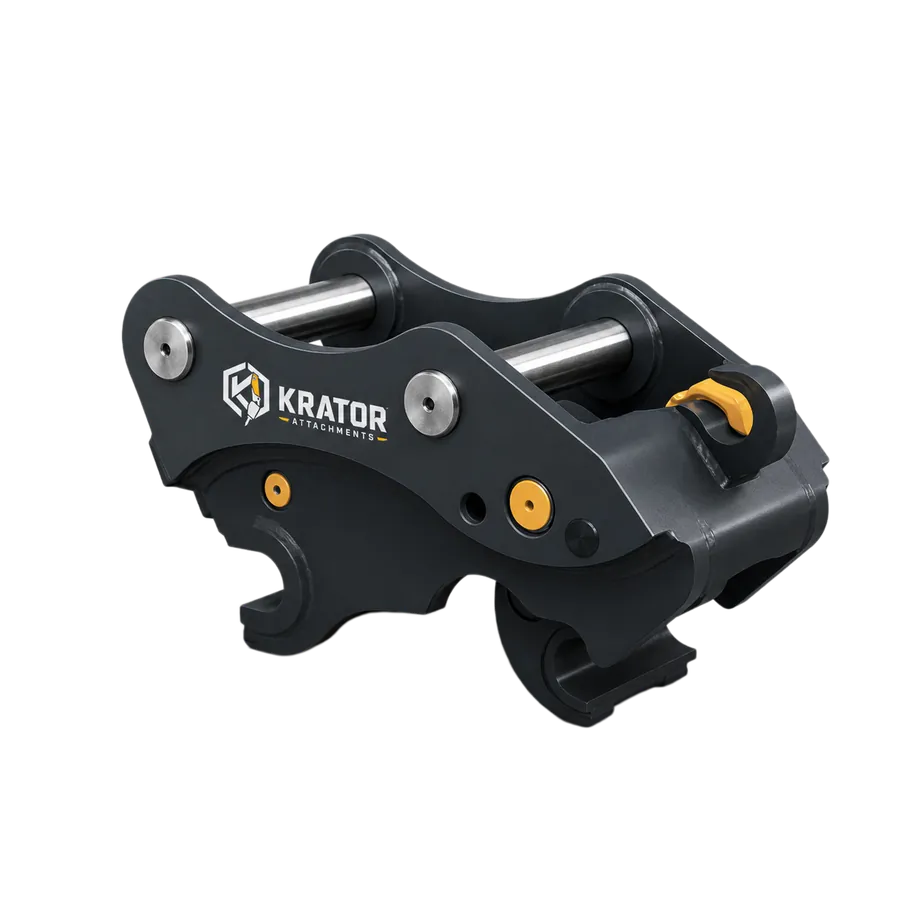
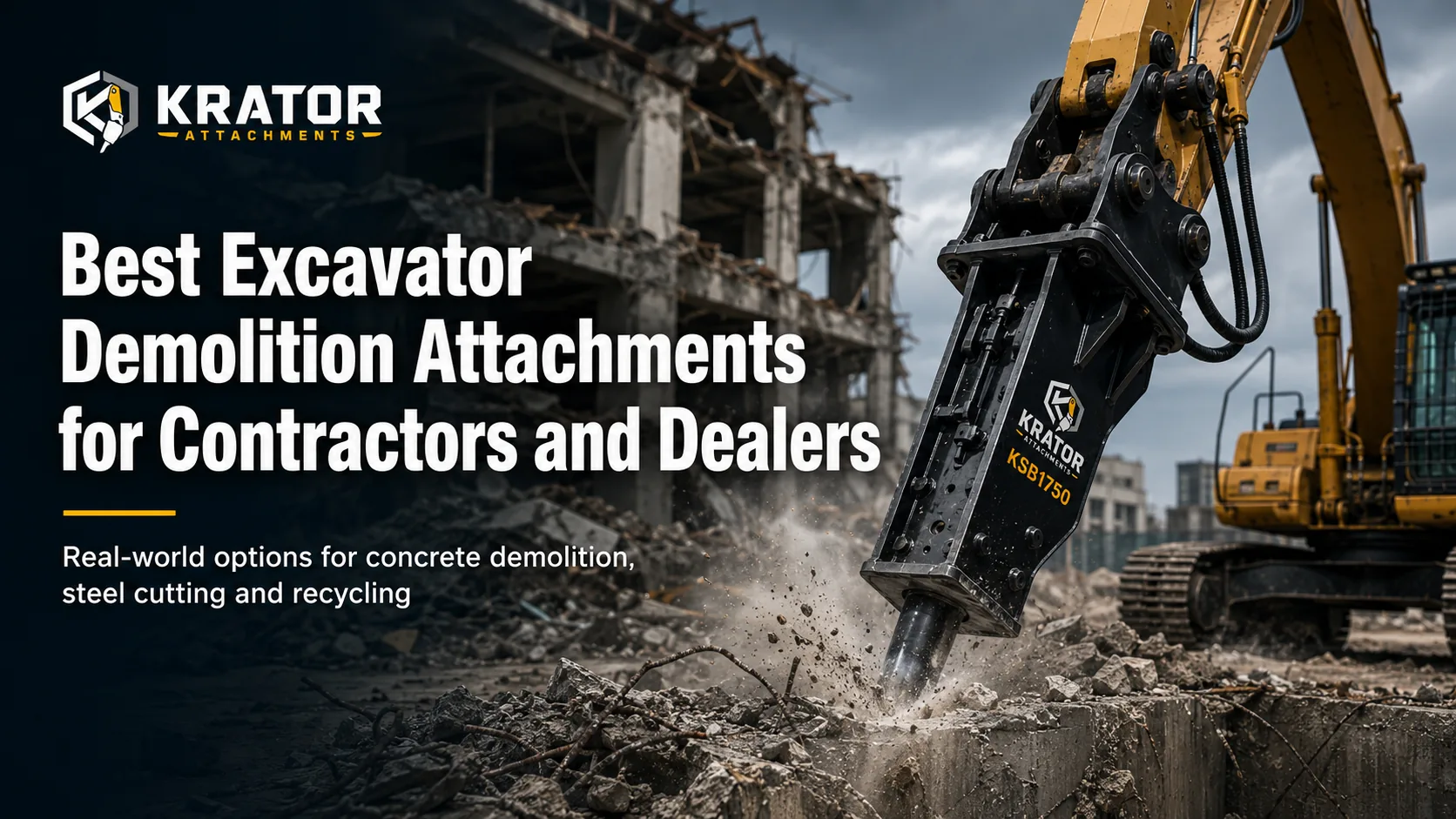
Yes. A demolition project may use an excavator hydraulic breaker for primary breaking, a pulverizer for concrete recycling, a shear for steel cutting and a hydraulic grapple for sorting. A quick coupler can reduce changeover time.
MATCHING SUPPORT
Need help matching an excavator attachment?
Send your excavator model and working condition. KRATOR will recommend a suitable attachment configuration.
Excavator Matching Factors
Both attachments require correct excavator matching. Check carrier weight, oil flow, operating pressure, attachment weight, pin diameter, arm width, center distance and whether rotation is needed. A large attachment on the wrong carrier can reduce performance and increase wear.
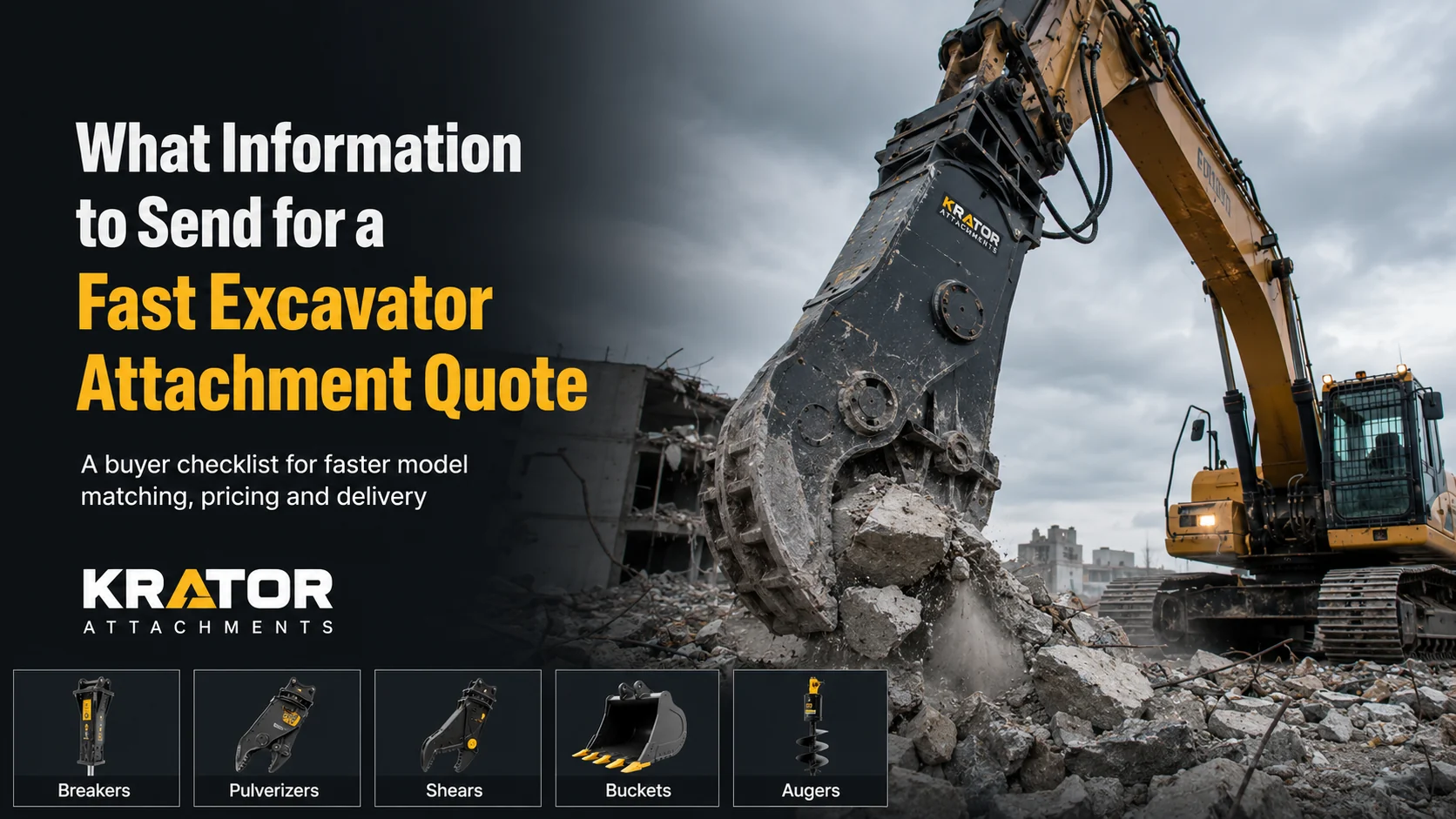
Quote Checklist
- Excavator model and operating weight
- Concrete thickness and rebar condition for pulverizer quotation
- Steel type and material thickness for shear quotation
- Hydraulic flow and working pressure
- Pin diameter, arm width and center distance
- Rotation requirement
- Quantity and destination port
- Photos or drawings of the material
Common Selection Mistakes
The most common mistake is choosing by attachment name instead of material. Some buyers ask for a pulverizer when the actual job is steel cutting, while others ask for a shear when the main task is concrete recycling. This creates model mismatch and slows quotation. Another mistake is comparing only jaw opening. Jaw size matters, but crushing force, cutting force, hydraulic flow and attachment weight are equally important.
Buyers should also avoid choosing only by excavator tonnage. A 20 ton excavator with low hydraulic flow may not power the same tool as another 20 ton excavator with higher flow and pressure. Mounting dimensions are also critical. Pin diameter, arm width and center distance must be confirmed before production, especially when the attachment will be used with a quick coupler.
Dealer and Contractor Notes
For dealers, the pulverizer vs shear decision affects spare parts and customer support. Pulverizers need wear teeth or blade planning for concrete jobs. Shears need blade replacement planning for steel work. A dealer stocking both attachments should prepare simple selection notes for sales teams so customers are not guided only by price or tonnage.
For contractors, the decision is tied to workflow. A breaker may open the concrete, a pulverizer may process concrete and rebar, a shear may cut steel, and a grapple may sort the material. Many demolition projects need a tool sequence rather than one attachment doing every task. Explaining this workflow to the supplier helps KRATOR recommend a practical attachment package.
Final Decision Rule
If the material is mostly concrete, start the discussion with a pulverizer. If the material is mostly steel, start with a shear. If the site has both concrete and steel, describe the percentage of each material and the order of work. This simple decision rule helps avoid a common procurement problem: buying one attachment and expecting it to perform well on every demolition task.
When the decision is still unclear, send photos of the material pile and the structure before demolition. Visual information often makes the correct attachment choice obvious.
Cost and Productivity Considerations
The purchase price is only one part of the decision. A hydraulic pulverizer may reduce hauling and sorting time when concrete recycling is the main goal. A hydraulic shear may reduce manual cutting work and improve safety when steel structures are involved. If the wrong attachment is selected, the operator may spend more hours repositioning the machine, changing tools or processing material twice.
Contractors should think about the complete demolition process. Primary breaking, secondary crushing, steel cutting, sorting and loading may each need a different tool. A supplier can help compare attachment cost against expected work stages, but only if the buyer explains the real material and production target.
Maintenance and Wear Parts
Pulverizers and shears also have different wear parts. Pulverizers need attention to jaw teeth, pins, bushings and crushing areas. Shears need blade condition, blade adjustment and rotation system checks. For heavy steel cutting, blade quality and replacement planning are especially important. For reinforced concrete crushing, tooth and jaw wear may be more important.
Before purchase, ask what spare parts are recommended for the first working season. Dealers should keep common wear parts available for after-sales support. Contractors should include spare parts in the initial order if the project schedule is tight or the jobsite is far from local supply.
Quick Coupler Compatibility
Many demolition contractors want both a pulverizer and a shear to work with the same excavator and quick coupler. This is possible, but it should not be assumed. The coupler changes mounting geometry, working angle and sometimes attachment balance. Before ordering, confirm pin diameter, arm width, center distance, coupler ear width and whether the attachment needs a special bracket.
If the attachment package includes breaker, pulverizer, shear and grapple, ask the supplier to check the full package together. A model that fits the excavator directly may need bracket adjustment when used through a coupler. Checking this before production saves time and avoids expensive correction after delivery.
For rental fleets, this check is even more important because the same attachment may be mounted on several machines. Keeping coupler and pin data organized helps avoid mismatch when equipment moves between jobsites.
This also helps operators select the correct attachment faster when a job changes from concrete processing to steel handling.
Good attachment records reduce downtime during busy demolition schedules and fleet transfers.