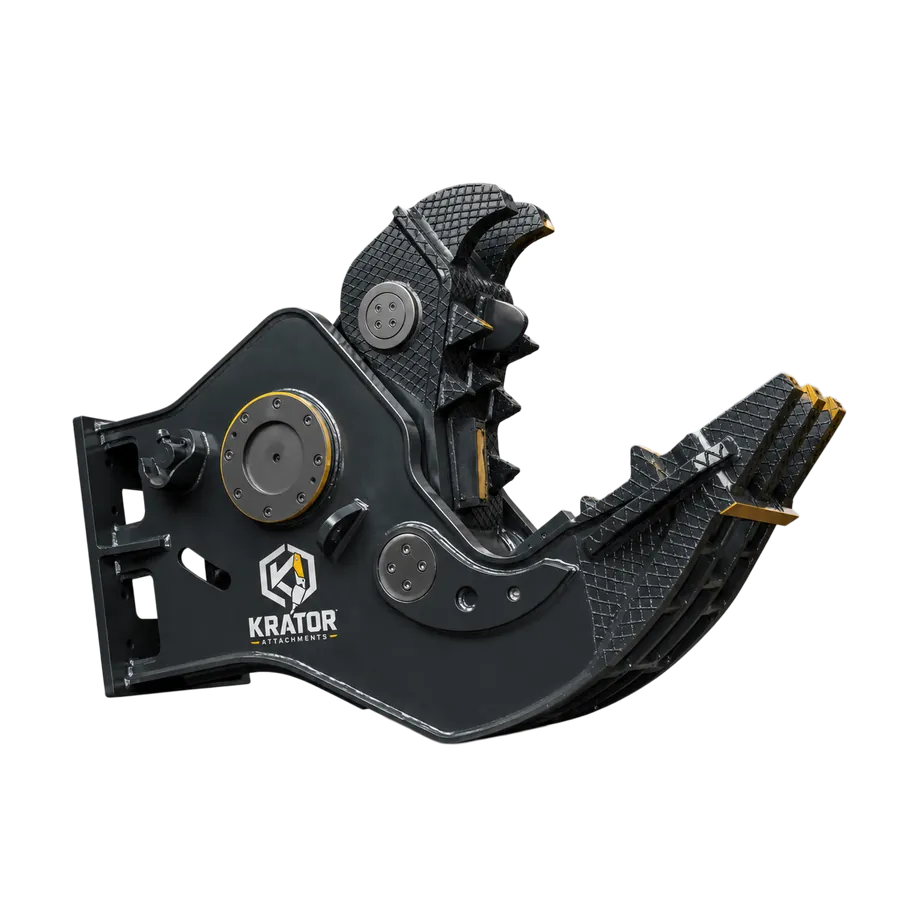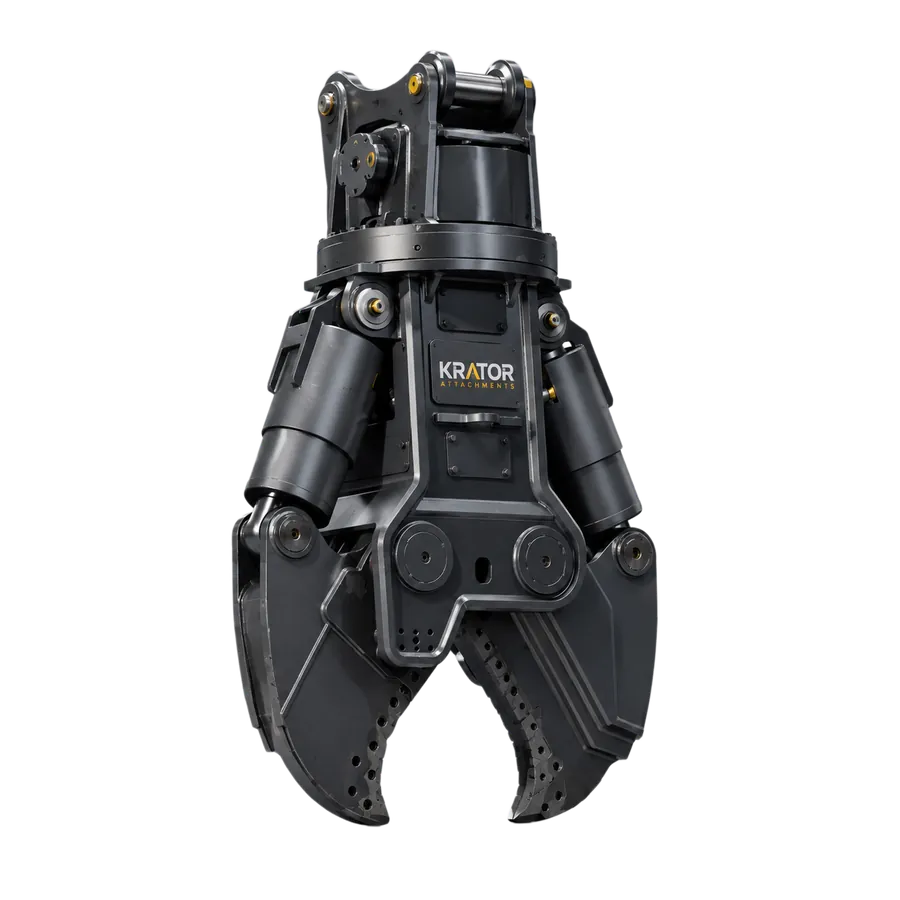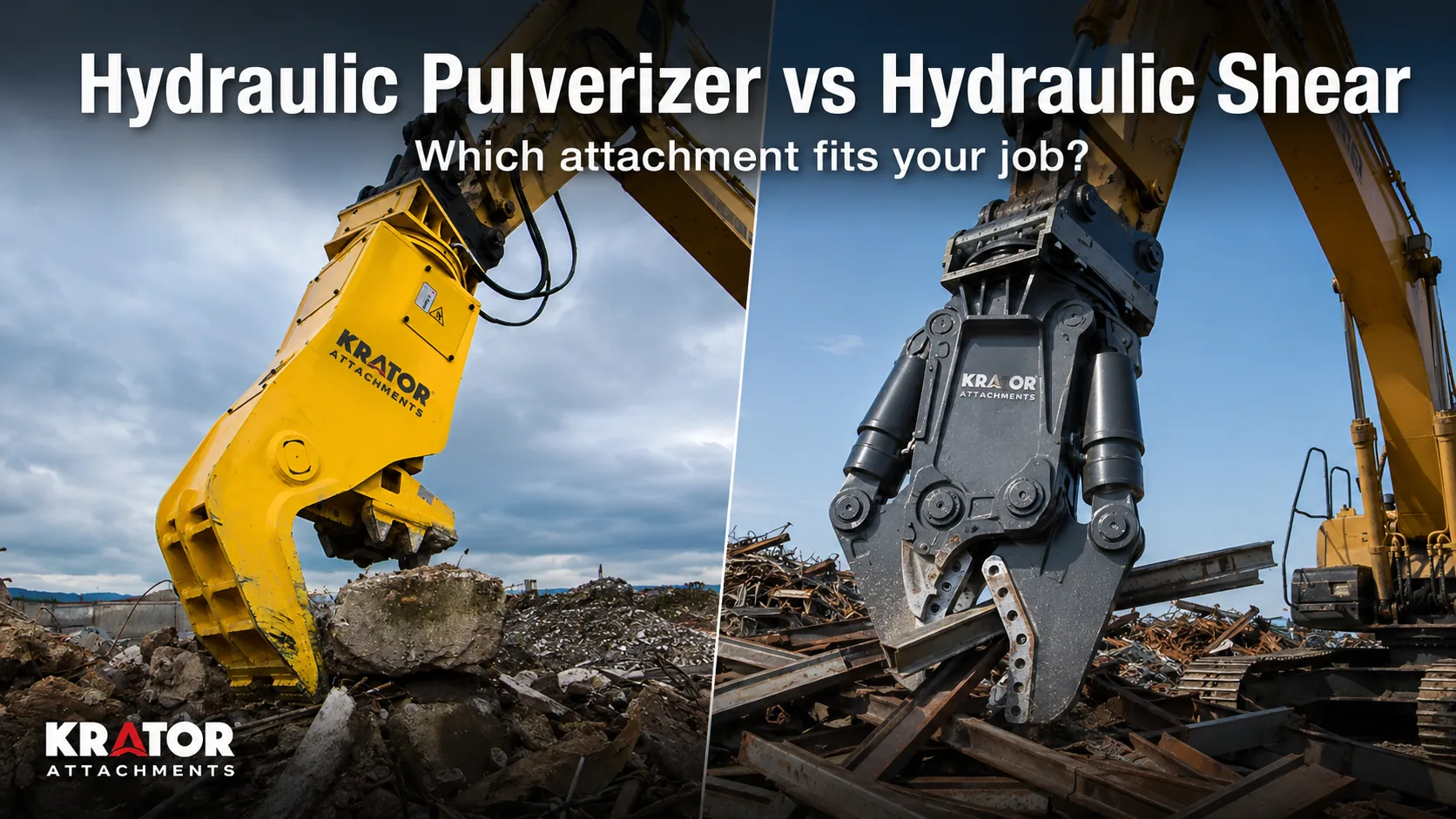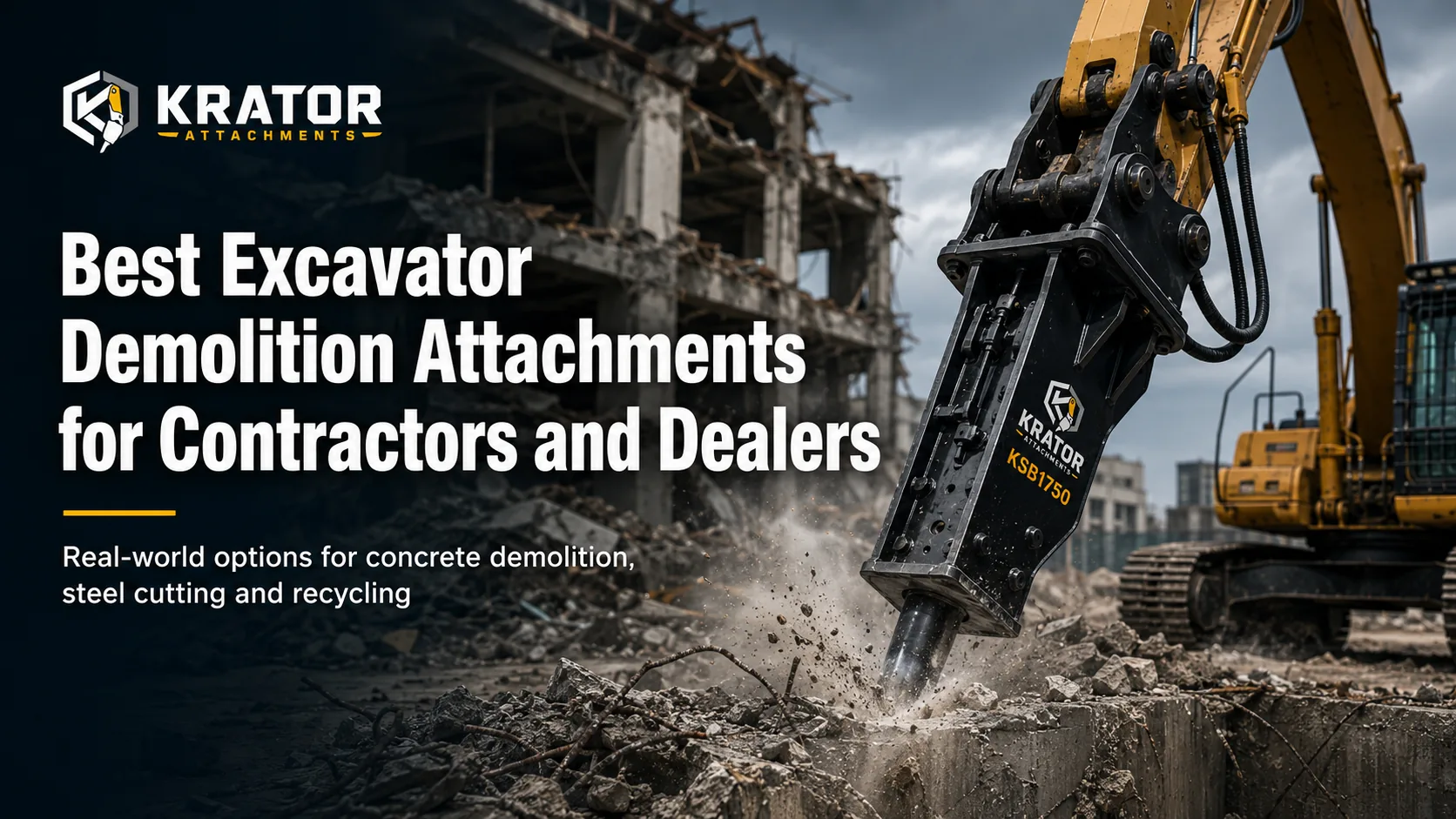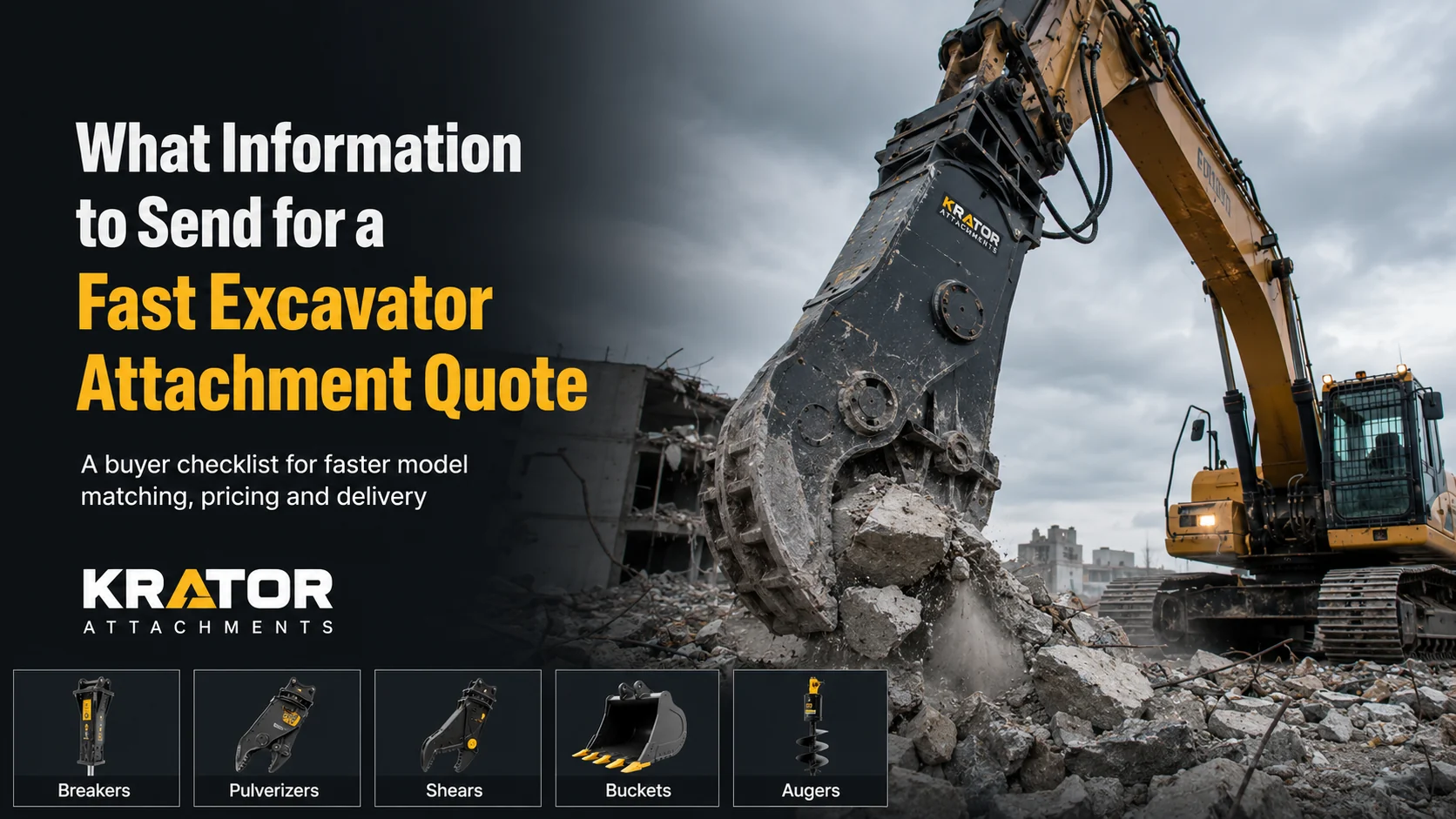

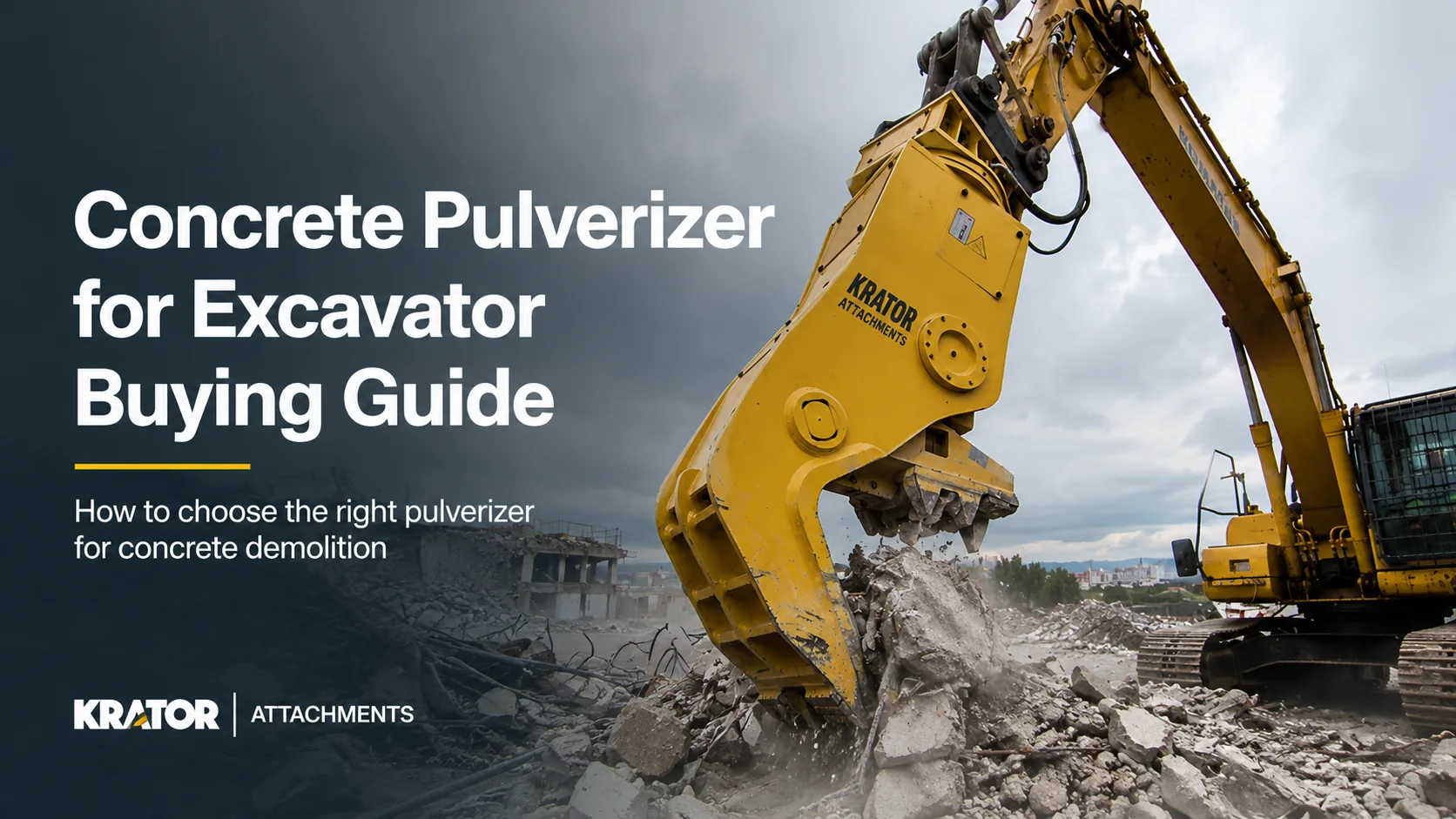
A concrete pulverizer for excavator is used for secondary demolition, concrete crushing, rebar separation and concrete recycling. The right model should be matched by excavator operating weight, jaw opening, crushing force, oil flow, working pressure, rotation requirement and bracket dimensions. Buyers should also describe concrete thickness, rebar condition and working environment before quotation, because tonnage alone is not enough for accurate pulverizer selection.
What Is a Concrete Pulverizer for Excavator?
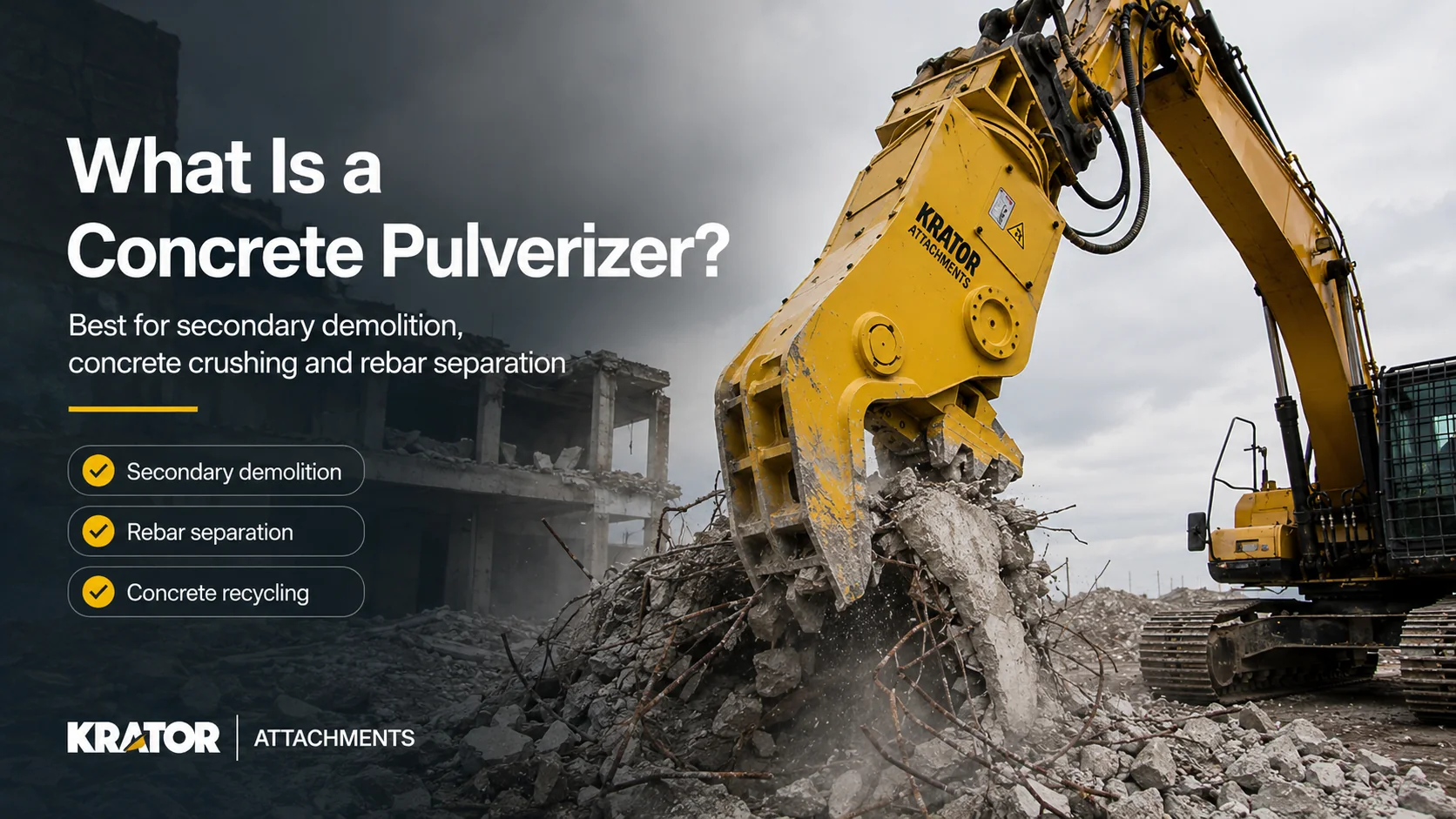
A concrete pulverizer is a hydraulic pulverizer mounted on an excavator to crush reinforced concrete after primary demolition. It helps reduce concrete size, separate rebar and prepare material for recycling or loading.
Main Applications
Concrete pulverizers are used for secondary demolition, foundation removal, concrete recycling, building demolition, bridge repair and waste processing yards. They are especially useful when the buyer wants cleaner separation between concrete and reinforcement steel.
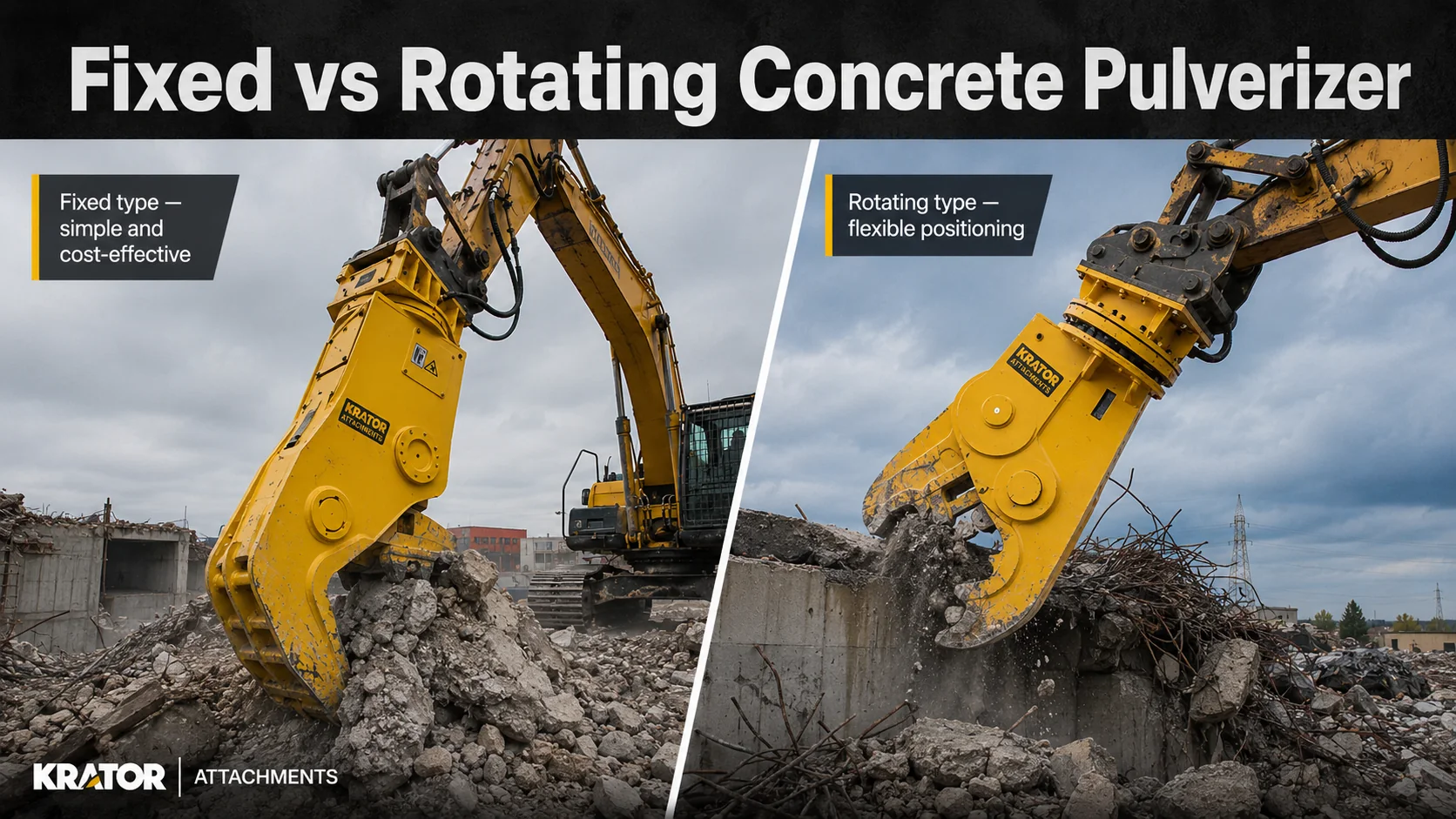
Fixed Pulverizer vs Rotating Pulverizer
| Type | Advantage | Typical Use |
|---|---|---|
| Fixed pulverizer | Simple structure and lower maintenance | Secondary crushing with simple positioning |
| Rotating pulverizer | Better jaw positioning around concrete | Building demolition and recycling yards |
| Heavy rotating pulverizer | Higher force and stronger structure | Thick reinforced concrete and heavy demolition |
Key Specifications to Check
Important specifications include carrier weight, jaw opening, crushing force, blade length, oil flow, working pressure, rotation, tooth or blade replacement and bracket dimensions. Jaw opening affects the size of concrete pieces that can be handled. Crushing force affects performance on reinforced concrete.
How to Match the Right Model
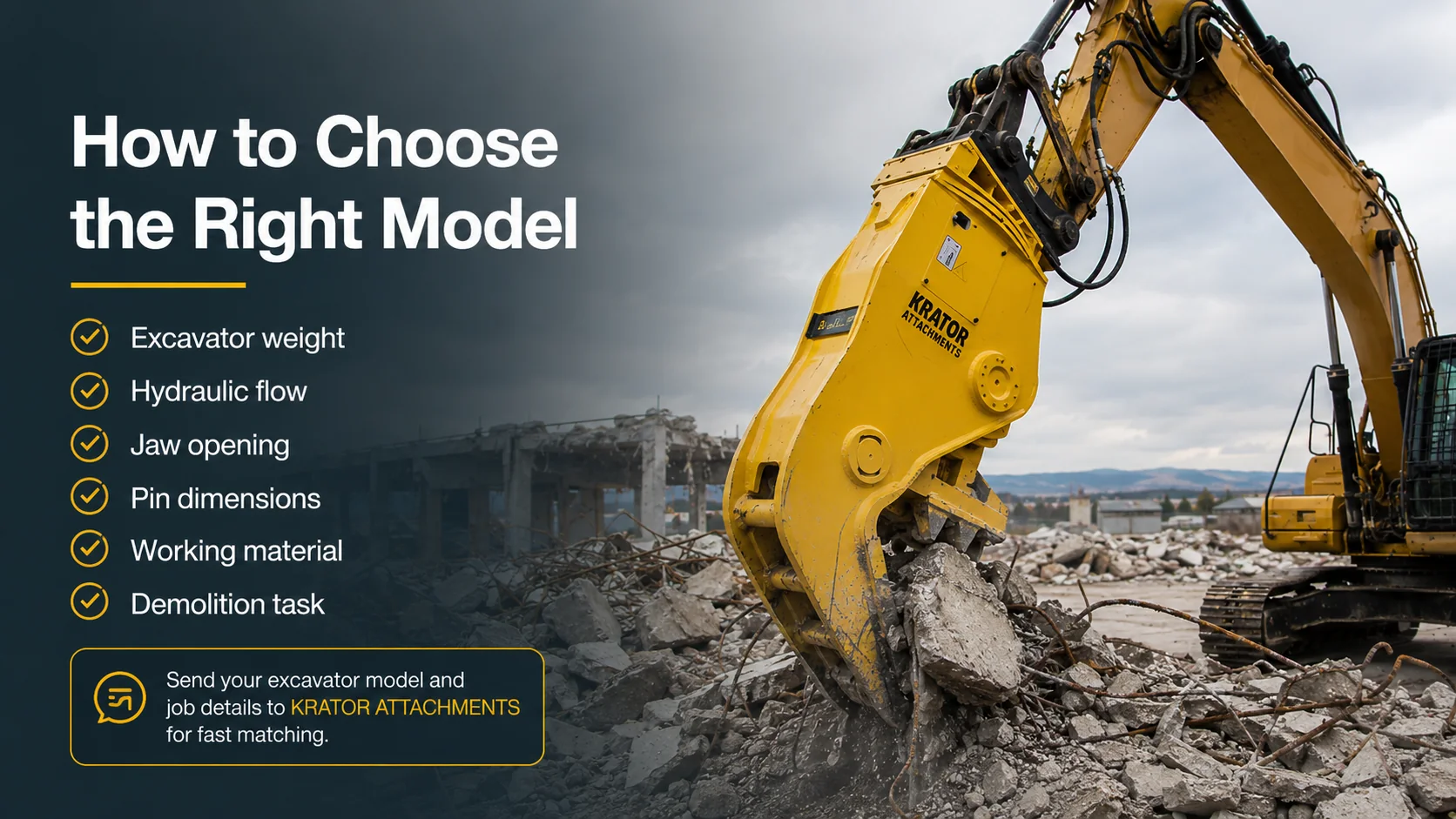
Do not choose only by excavator tonnage. Concrete thickness, rebar condition, hydraulic flow, pressure and mounting dimensions also affect selection. A 20 ton excavator on light concrete may need a different configuration from a 20 ton excavator processing thick foundation blocks.
MATCHING SUPPORT
Need help matching an excavator attachment?
Send your excavator model and working condition. KRATOR will recommend a suitable attachment configuration.
Quote Checklist
- Excavator brand and model
- Operating weight
- Concrete thickness and rebar condition
- Required fixed or rotating pulverizer
- Hydraulic flow and operating pressure
- Pin diameter, arm width and center distance
- Quantity and destination port
- Photos or drawings of the demolition material
Common Buying Mistakes
Common mistakes include choosing only by tonnage, ignoring concrete thickness, selecting too small a jaw opening, not checking hydraulic flow, forgetting bracket dimensions and not preparing replacement teeth or blades. Buyers should also avoid comparing only purchase price without checking spare parts and packing support.
Wear Parts and Maintenance Planning
A pulverizer purchase should include wear parts planning. Teeth, blades, pins, bushings, hoses and seals may be needed during long demolition jobs. If a buyer imports only the main attachment and ignores wear parts, the jobsite may stop when a small component is damaged. Dealers should prepare spare parts packages for common carrier sizes and explain replacement needs to end customers before delivery.
Maintenance planning also depends on application. Concrete recycling yards may run the attachment for long hours every day, while a contractor may use it for shorter project cycles. Heavy reinforced concrete will create more wear than light secondary crushing. Sharing duty cycle and concrete condition helps KRATOR suggest a more practical configuration and spare parts list.
Export Packing and Dealer Orders
International buyers should confirm whether the pulverizer ships with a bracket, hoses, pins, spare teeth or extra blades. Export packing should protect hydraulic ports, cylinders and jaw structures during transport. For dealer batch orders, color, logo, labels and documentation may also need to be confirmed before production. These details do not change the crushing function, but they affect delivery quality and customer acceptance.
For project-based purchases, the buyer should explain the job timeline and destination port. A single urgent project may need a different packing and spare parts plan from a dealer stock order. If several demolition attachments will ship together, such as a breaker, pulverizer, shear and grapple, the packing list should be organized so each attachment and spare part set is easy to identify after arrival.
Questions to Ask the Supplier
Before confirming an order, buyers should ask whether the pulverizer model is fixed or rotating, which carrier range it supports, what jaw opening and crushing force are recommended, and whether the bracket is included. Ask whether the quotation includes hoses, pins, spare teeth or blades. If the attachment will be used with a quick coupler, confirm coupler compatibility before production.
It is also useful to ask how the pulverizer will be packed for export and what information appears on the packing list. For importers, clear packing details reduce warehouse confusion and make customs or internal receiving easier. For dealers, clear model labels and spare parts references help the sales team support customers after delivery.
Hydraulic Compatibility
Hydraulic compatibility is one of the most important checks for a concrete pulverizer. The attachment may be in the correct carrier weight range but still perform poorly if oil flow or pressure is not suitable. Rotation also requires hydraulic control, so buyers should confirm whether the excavator has the right auxiliary lines and control setup.
If hydraulic data is not available, send the exact excavator model and photos of the hydraulic lines. KRATOR can help estimate the matching range and identify what still needs confirmation. This is better than selecting a pulverizer only from a catalog table and discovering later that the carrier cannot power it correctly.
Hydraulic compatibility should be confirmed before production drawings are finalized. If a project requires rotation, the buyer should also confirm control lines and operator preference, because rotation improves positioning only when the excavator can control it properly.
For heavy recycling work, stable hydraulic performance is often more valuable than choosing the largest possible jaw size.
Balanced matching usually delivers better long-term productivity and longer service life.
Typical Project Examples
For building demolition, the pulverizer may be used after the main structure is broken down. The goal is to reduce concrete size and separate reinforcement. For a recycling yard, productivity may depend on jaw positioning and wear part life because the attachment may work continuously. For foundation removal, the buyer should explain concrete thickness and whether rebar is dense or light. These project differences affect whether a fixed or rotating pulverizer is more suitable.
A buyer handling light concrete panels may prioritize simple structure and lower operating cost. A buyer handling heavy reinforced foundation blocks may need stronger jaws, higher crushing force and more careful hydraulic matching. This is why a professional quotation should not be based only on the phrase concrete pulverizer for excavator. The real jobsite material must guide the model.
Final Buying Advice
The safest buying process is to send machine data, material details and photos first, then compare the recommended model with jaw opening, force, hydraulic data, bracket dimensions and spare parts. A concrete pulverizer is a heavy-duty working tool, so small matching details can affect performance. Taking time to confirm those details before production is better than correcting problems after arrival.
For dealers, keep a simple comparison sheet for common excavator classes and note which pulverizer models are fixed, rotating or heavy rotating. This makes customer discussions faster and helps sales staff avoid promising a model before hydraulic and mounting details are confirmed.
Also record common spare parts for each model to support repeat customers quickly.
How to Compare Pulverizer Suppliers
When comparing suppliers, do not only compare the model name and price. Ask for jaw opening, approximate weight, crushing force range, suitable excavator range, rotation option, hydraulic flow and working pressure. Ask whether the quoted price includes bracket matching, hoses, pins, packing and spare parts. These details can change the real delivered value of the attachment.
A professional supplier should be able to explain why a model is recommended for your excavator and concrete condition. If the supplier cannot explain jaw opening, hydraulic requirements or bracket data, the quotation may not be reliable. For import buyers, communication quality before payment is often a good signal of how after-sales support will work later.
Concrete Recycling Yard Requirements
Concrete recycling yards often use pulverizers differently from one-time demolition contractors. The attachment may work for long hours, process mixed concrete pieces and load material repeatedly. In this environment, wear part life, jaw strength, easy maintenance and operator visibility become important. A rotating pulverizer may help position material faster, but it also adds hydraulic and maintenance considerations.
For recycling yards, buyers should describe daily working hours, concrete size, rebar condition and whether the pulverizer will work with a crusher, breaker, bucket or grapple. This helps KRATOR recommend not only the pulverizer model but also the spare parts and attachment combination that fit the yard workflow.