
Use standard buckets for general soil, rock buckets for abrasive digging, skeleton buckets for sorting and screening, and tilt buckets for grading or ditch cleaning.
Bucket Selection Factors
Soil, gravel, rock and debris need different structures.
Teeth, side cutters and wear strips extend service life.
Width affects digging force, capacity and finishing quality.
Skeleton buckets sort rocks and debris from soil.
Tilt buckets help shape slopes and clean ditches.
Bracket and pin size must match excavator arm.
Why Material condition Matters
Soil, gravel, rock and debris need different structures. This point should be confirmed before production so the attachment can be matched to the real carrier and jobsite.
How to Check Wear package
Teeth, side cutters and wear strips extend service life. Clear photos, machine information and simple notes make the matching process faster for overseas buyers.
Final Check Before Ordering
Confirm excavator model, operating weight, attachment configuration, hydraulic requirement, dimensions if available, quantity and destination before placing the order.
Bucket Type Comparison Table
| Item | What to Check | Why It Matters |
|---|---|---|
| Material condition | Soil, gravel, rock and debris need different structures. | Core selection data |
| Wear package | Teeth, side cutters and wear strips extend service life. | Fitment confirmation |
| Bucket width | Width affects digging force, capacity and finishing quality. | Performance matching |
| Screening need | Skeleton buckets sort rocks and debris from soil. | Jobsite suitability |
Common Mistakes
- Choosing by price or product name without checking excavator data.
- Not sending photos, dimensions or hydraulic information when they are needed.
- Ignoring jobsite material, working condition and duty cycle.
- Forgetting spare parts, bracket matching and shipping details.
What Information to Send for Quote
- Excavator brand and model
- Operating weight
- Attachment type
- Working condition
- Photos or drawings
- Quantity and destination
Related Products for This Guide
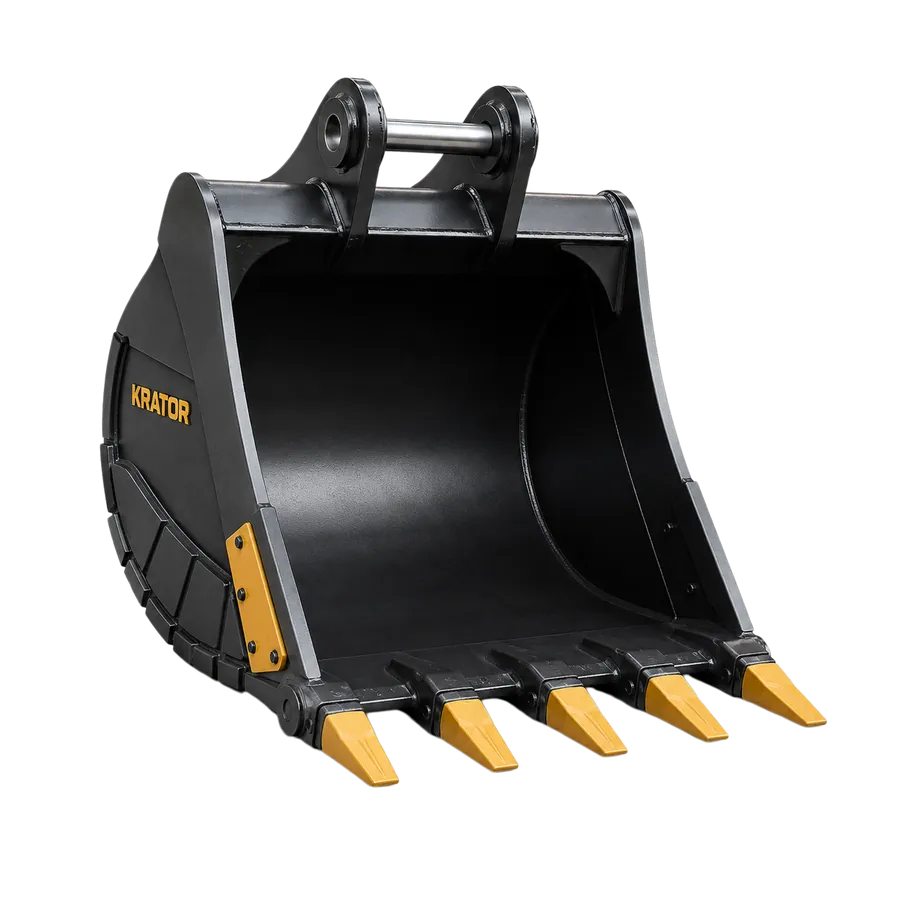
Excavator Bucket support for KRATOR model-matched excavator attachment projects.
View Product ->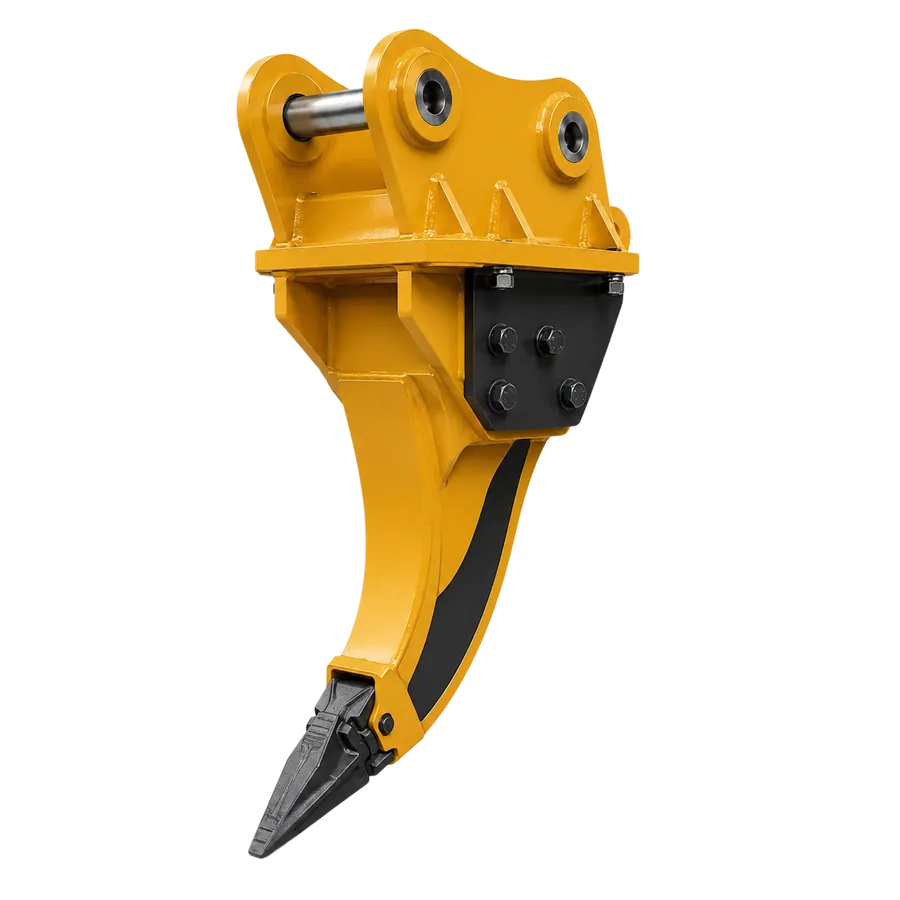
Excavator Ripper support for KRATOR model-matched excavator attachment projects.
View Product ->
Custom Bucket Solution support for KRATOR model-matched excavator attachment projects.
View Product ->