
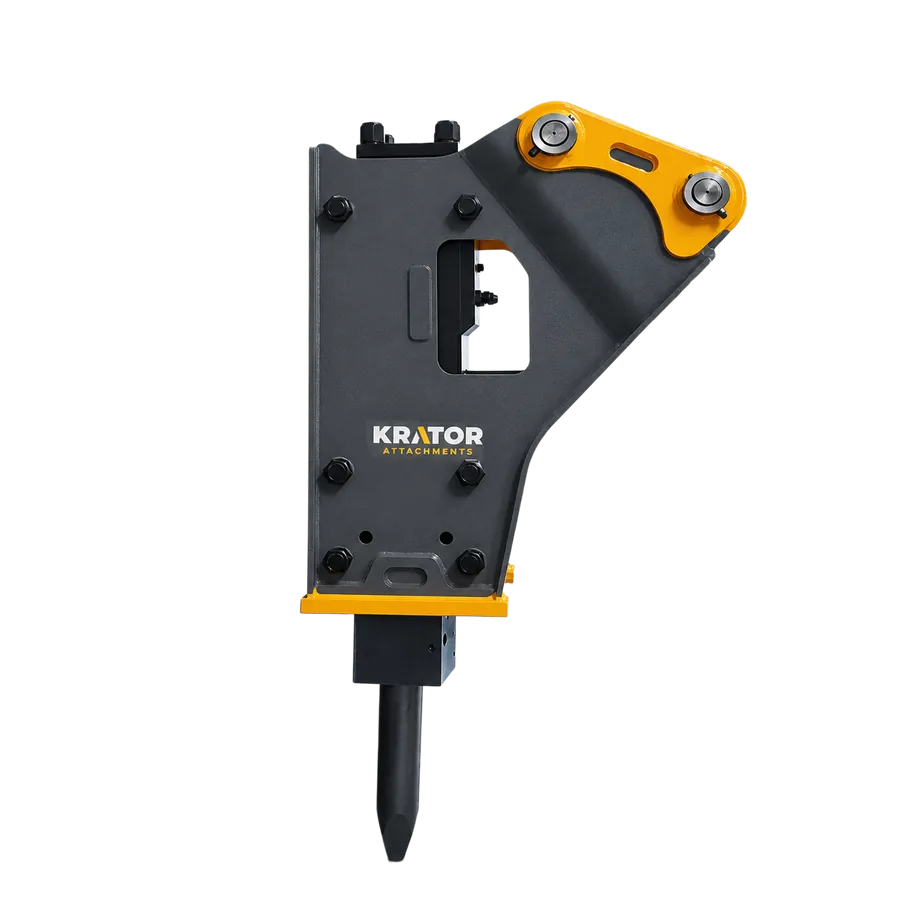
Choose box type for lower noise and better body protection, side type for easy service access, and top type for visibility and general positioning. The internal breaker class still needs to match the excavator carrier.
Breaker Housing Comparison
Enclosed housing helps reduce noise and protect the main body.
Open side structure is easy to inspect and maintain.
Top mounted design gives good visibility for positioning.
Urban demolition often prefers lower noise box type breakers.
Quarry and rental fleets often value fast maintenance access.
All housing choices still require correct bracket and hydraulic matching.
Why Box type Matters
Enclosed housing helps reduce noise and protect the main body. This point should be confirmed before production so the attachment can be matched to the real carrier and jobsite.
How to Check Side type
Open side structure is easy to inspect and maintain. Clear photos, machine information and simple notes make the matching process faster for overseas buyers.
Vérification finale avant commande
Confirmez le modèle d’excavatrice, le poids opérationnel, la configuration de l’accessoire, les besoins hydrauliques, les dimensions si disponibles, la quantité et la destination avant de commander.
Side vs Box vs Top Type Table
| Élément | À vérifier | Pourquoi c’est important |
|---|---|---|
| Box type | Enclosed housing helps reduce noise and protect the main body. | Données clés de sélection |
| Side type | Open side structure is easy to inspect and maintain. | Confirmation de compatibilité |
| Top type | Top mounted design gives good visibility for positioning. | Correspondance de performance |
| Noise control | Urban demolition often prefers lower noise box type breakers. | Adaptation au chantier |
Erreurs courantes
- Choisir par prix ou nom de produit sans vérifier les données de l’excavatrice.
- Ne pas envoyer les photos, dimensions ou informations hydrauliques lorsqu’elles sont nécessaires.
- Ignorer le matériau du chantier, les conditions de travail et le cycle de service.
- Oublier les pièces de rechange, l’adaptation du support et les détails d’expédition.
Informations à envoyer pour devis
- Marque et modèle d’excavatrice
- Poids opérationnel
- Type d’accessoire
- Condition de travail
- Photos ou plans
- Quantité et destination
Produits liés à ce guide
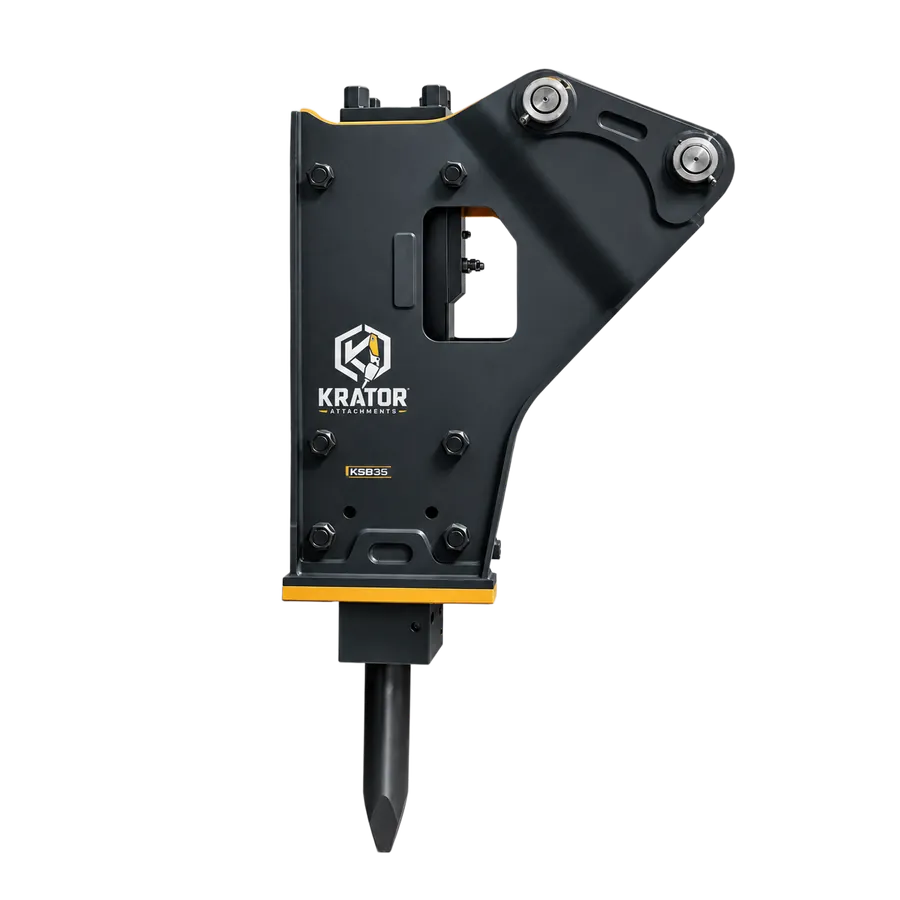
Brise-roche hydraulique support for KRATOR model-matched excavator attachment projects.
Voir le produit →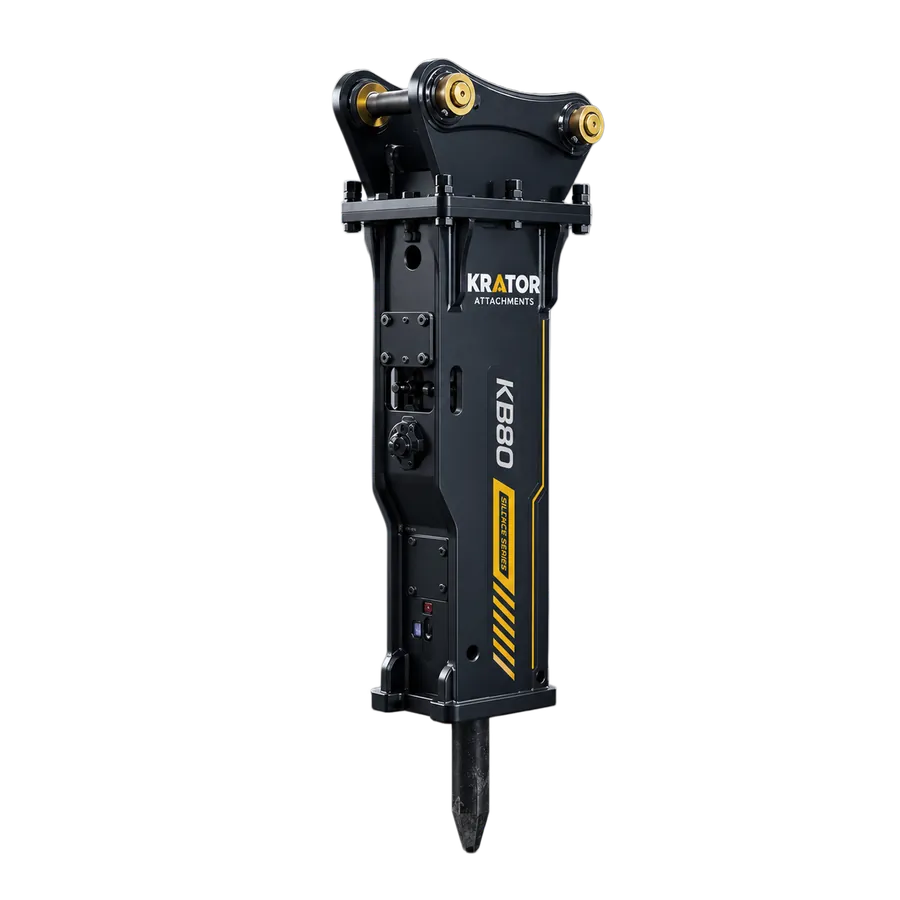
Box Type Brise-roche hydraulique support for KRATOR model-matched excavator attachment projects.
Voir le produit →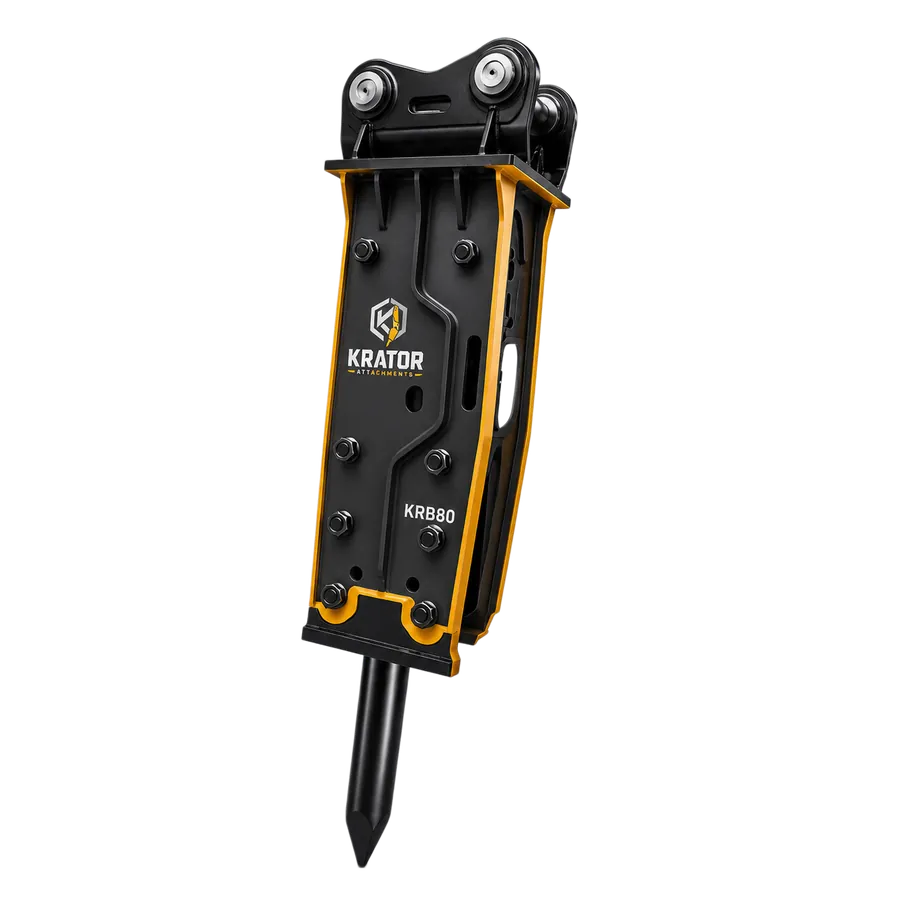
Top Type Brise-roche hydraulique support for KRATOR model-matched excavator attachment projects.
Voir le produit →